I Preordered the iPhone 17 Pro Max: Here’s Why (Plus 11 Buyer Mistakes to Avoid)
by engrleo1979 | Sep 17, 2025 | Mobile Phone |
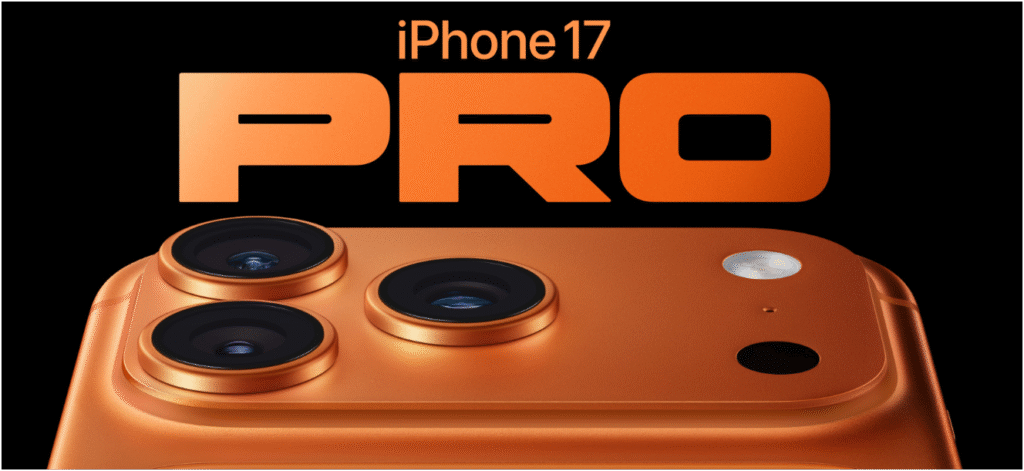
Preorders for the iPhone 17 lineup went live this morning, and after fighting through a wall of traffic, I locked in an iPhone 17 Pro Max. In this piece, I’ll explain why I chose the Pro Max over the smaller Pro, what Apple actually focused on this year, and the 11 most common buying mistakes I’m already seeing—so you can pick the right model for you.
Why This Year Feels Different
Last year’s iPhone 16 family leaned hard into Apple Intelligence. This year, Apple turned the spotlight back to hardware, and the shift is immediately obvious—especially on the 17 Pro series:
-
Cooling finally gets first-class treatment, with a redesigned thermal system intended to reduce heat, avoid performance throttling, and keep the screen from dimming during gaming and long 4K shoots.
-
A unibody aluminum design replaces titanium. It’s better for heat dissipation and pairs with the new thermal design to keep the phone comfortable and consistent under load.
Coming from a 16 Pro, I can’t overstate how welcome this is. On iOS 26, my 16 Pro often gets uncomfortably hot, which hurts battery life, triggers throttling, and dims the display. The 17 Pro series addresses that root problem instead of just adding more speed on paper.
Why I Picked the Pro Max
I typically flip between sizes year to year to keep the experience feeling fresh. I went from 15 Pro Max → 16 Pro for a lighter, easier hold. This year I’m going back up to 17 Pro Max for two reasons:
-
Battery life. Apple rates the 17 Pro Max at up to 39 hours of video playback. I’ll be running a full battery comparison across the lineup (17/17 Pro/17 Pro Max/17 Air), but on paper, this is the endurance champ.
-
Bigger display. For editing, gaming, and camera work, the extra screen estate matters.
That said, 17 Pro is still a compelling option. The big twist: 17 Pro now inherits the kind of battery endurance the 16 Pro Max was known for, but in the smaller form factor. If you want “Max-like” staying power without the size, that alone makes the 17 Pro tempting.
Storage & Color Choices
This time I ordered 512GB. I had 1TB on the 16 Pro and never filled it, and since I upgrade annually, that extra headroom wasn’t essential.
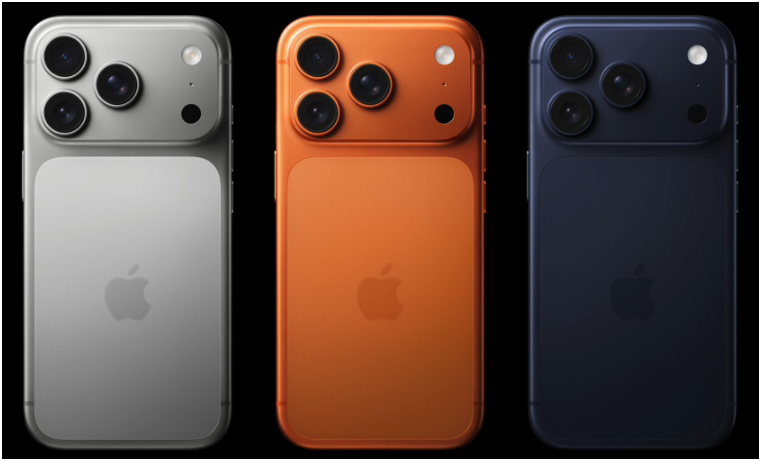
On color, I chose Silver. Cosmic Orange looks awesome on camera, but I prefer a neutral that matches my Macs and iPad and won’t feel loud with a blazer in a meeting a year or two from now. I also skipped Dark Blue to switch up from my last dark iPhone.
The Standard iPhone 17 Is Shockingly Good
The regular iPhone 17 is the best “standard” iPhone in years. You get:
-
120Hz ProMotion
-
~3,000-nit class peak brightness
-
The A19 chip
-
Much of the polish people used to associate with Pro models
Color and camera differences remain, but the gap is smaller than ever. If you don’t need the Pro’s photography tools or faster I/O, the regular 17 is now an easy recommendation.
A Word on the iPhone 17 Air
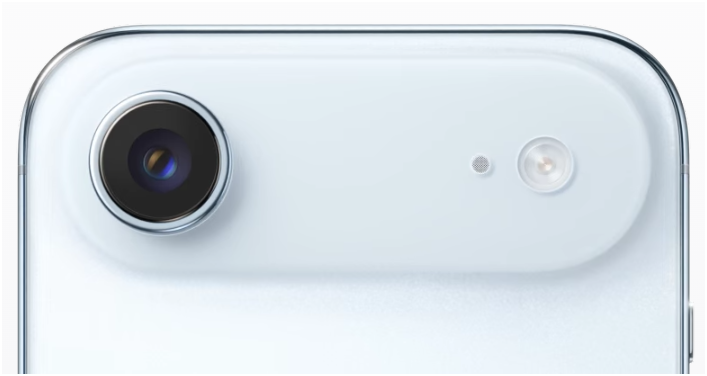
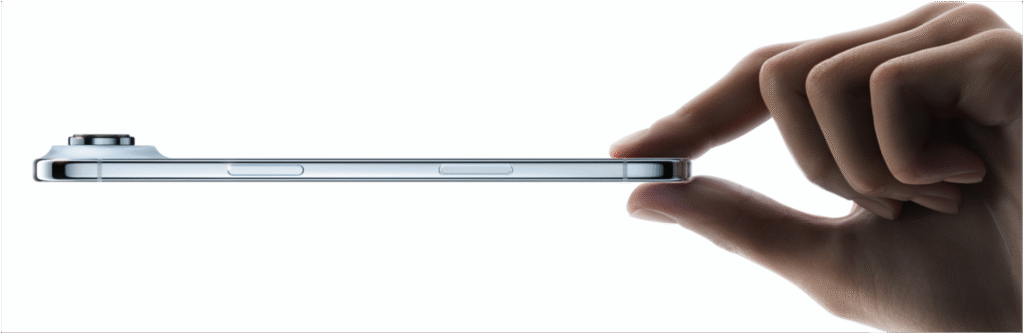
The iPhone 17 Air is fascinating—incredibly thin and light, a true design statement—but it carries trade-offs:
-
Single earpiece speaker (no traditional stereo pair)
-
Slower charging than the rest of the 17 family
-
Chips clustered in the camera plateau could concentrate heat
-
Despite the “Pro” silicon lineage, it likely won’t sustain Pro-level performance under load the way the Pro/Pro Max (with their cooling) can
It’s a luxury, style-first device that some will love. Just know what you’re giving up.
11 Buying Mistakes to Avoid
1) Assuming you “need” a Pro
With the 17’s 256GB base storage, fast chipset, 120Hz, and brighter display, the standard 17 will be more than enough for a lot of people.
2) Thinking Apple still “cripples” the standard model
This year the regular 17 isn’t artificially limited like past base models (think 60Hz era). You’re getting the smooth display, high brightness, and coatings that used to be Pro talking points.
3) Misreading the 17 Air
It’s not just a thinner 17. It’s a design piece with compromises: speaker setup, charging speed, and likely sustained performance due to tighter thermals.
4) Misinterpreting the camera marketing
18MP front camera across the lineup is a legit upgrade (wider, better quality). On the rear, Apple’s language can make it sound like you’re getting more cameras than you are. The Pro telephoto is the real story: 48MP with 4× optical that crops to 8×—more useful mid-zoom in day-to-day shooting.
5) Assuming all USB-C is equal
17 Pro/Pro Max: much faster data transfer for pro workflows. 17 and 17 Air: USB 2.0-class speeds that feel ancient if you move big files.
6) Treating all A19 chips the same
Yes, A19 and A19 Pro share architecture, but sustained performance on the Pro models is where the magic happens—thanks to the new thermal system. The Air may throttle earlier under heavy load.
7) Believing “best glass ever” means case-free living
It’s still glass. If you skip a case or protector, expect scratches over time. (If you want a built-in protector + kickstand + MagSafe, look for a well-designed folio/flip case.)
8) Buying the Air just to avoid “heavy phones”
It’s only ~12g lighter than the regular 17, and it’s taller and wider. Once you add a case (most of us do), the thinness advantage shrinks.
9) Seeing aluminum as a downgrade from titanium
For thermals, aluminum is better. It dissipates heat instead of trapping it, which helps prevent throttling and dimming. It also frees up internal space for larger batteries with modern milling.
10) Taking the Air’s battery marketing at face value
Small batteries + thin frames = physics still wins. Apple even introduced a MagSafe battery pack specifically for the Air to stretch it to Pro-Max-class video playback—but it becomes thicker and heavier than a Pro Max once attached.
11) Assuming prices broadly went up
Many prices held, and base storage is better. For example, standard 17 now starts at 256GB—what used to cost extra. The Pro Max price stays the same while delivering bigger thermal and battery upgrades.
Who Should Buy What?
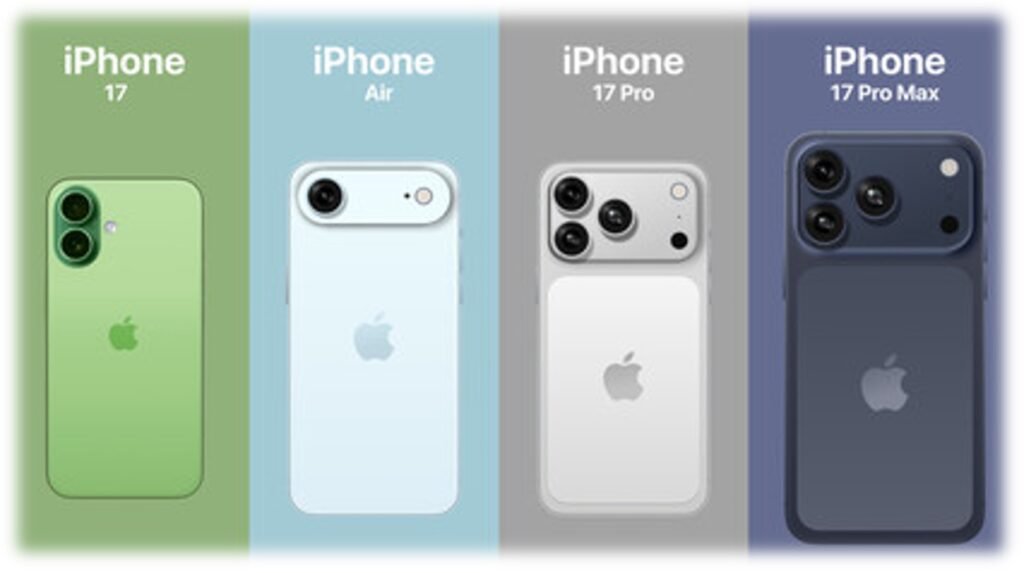
iPhone 17 Air
For the design-driven crowd that values thinness and style over battery, charging speed, and sustained performance. Ideal for light use (texting, socials, shorts), not for gaming or pro workloads.
iPhone 17
The default choice for most people—and honestly, many tech fans too. It’s the closest the base model has ever been to a Pro: fast chip, 120Hz, brighter display, better battery, and 256GB base at the same price. Hard to go wrong.
iPhone 17 Pro
For creators and power users who want Pro cameras, fast USB-C, and sustained performance in a smaller body. Notably, its battery is now closer than ever to last year’s Pro Max, which is wild.
iPhone 17 Pro Max
For maximum battery and thermal headroom. If you live on your phone—gaming, 4K recording, pro apps—the Pro Max is the top pick. That’s my daily driver this year.
Final Thoughts
The iPhone 17 series is the most intriguing lineup in years because Apple fixed the thing that mattered most: heat. With unibody aluminum and proper cooling, you get more stable performance, less dimming, and better battery—improvements you’ll feel every single day.
-
If you’re tempted by the 17 Pro Max, you’re not alone—it’s the battery + thermals combo that tips the scales.
-
If you want a smaller device without giving up endurance, the 17 Pro is finally that phone.
-
If you want great value at the standard tier, the 17 is the best base model Apple’s made.
-
And if you’re here for thin, gorgeous hardware and light use, the 17 Air is your runway phone.
Which one are you leaning toward? Drop your pick and what you’re upgrading from in the comments. If you enjoy deep dives and real-world tests, join the newsletter and I’ll send you the full battery and camera comparisons as soon as they’re live.