Select Page

AnyUnlock Review (2025): Unlock iPhone Passcode, Apple ID, MDM & Screen Time

AnyUnlock by iMobie Review: Features, Pricing, and Why You Should Buy It


Download for Free

Being locked out of your iPhone can quickly turn into a frustrating experience. Whether you forgot your screen passcode, purchased a second-hand iPhone still linked to the previous owner’s Apple ID, or are dealing with MDM or Screen Time restrictions, AnyUnlock by iMobie is designed to help you regain control of your device.

In this review, we’ll take a closer look at what AnyUnlock offers, its key features, pricing, and why it’s a valuable tool for iPhone and iPad users.

What Is AnyUnlock by iMobie?

AnyUnlock is a professional iOS unlocking software developed by iMobie Inc., a well-known company behind popular Apple utilities such as AnyTrans and AnyFix. The software provides an all-in-one solution for removing different types of locks from iPhones, iPads, and iPod touch devices.

What makes AnyUnlock appealing is its user-friendly design. You don’t need technical expertise — the software guides you through each step, making it suitable even for beginners.

Key Features of AnyUnlock

1. Unlock iPhone Screen Passcode

AnyUnlock allows you to remove various types of screen locks, including 4-digit and 6-digit passcodes, Touch ID, and Face ID. This feature is useful if you’ve forgotten your passcode or if your iPhone has been disabled after too many incorrect attempts.

Note: Removing the screen passcode will erase existing data on the device, which is standard for iOS security.

2. Remove Apple ID Without Password

If you no longer remember your Apple ID password or purchased a used device that’s still linked to another account, AnyUnlock can remove the Apple ID and allow you to sign in with a new one.

3. Bypass iCloud Activation Lock

Activation Lock is designed to protect lost or stolen devices, but it can also be a problem for legitimate owners. AnyUnlock supports bypassing iCloud Activation Lock on compatible devices, making it especially helpful for second-hand iPhone buyers.

4. Remove MDM Restrictions

Mobile Device Management (MDM) profiles can limit access on company-issued or school devices. AnyUnlock helps remove MDM restrictions, allowing full control of your device without configuration limitations.

5. Remove Screen Time Passcode

If you forgot your Screen Time passcode, AnyUnlock can remove it without deleting your data. This feature is especially useful for parents managing family devices or shared iPhones.

6. iTunes Backup Password Recovery

Encrypted iTunes backups can become inaccessible if the password is forgotten. AnyUnlock includes tools to recover or remove backup encryption passwords so you can access your data again.

Compatibility

  • Supports most iPhone, iPad, and iPod touch models
  • Works on both Windows and macOS
  • Compatible with a wide range of iOS versions

Pricing Overview

AnyUnlock is a paid software, but it offers flexible licensing options depending on your needs. Users can choose between individual feature licenses or the complete toolkit.

  • Short-term plans for one-time unlocking needs
  • Annual licenses for regular use
  • Lifetime licenses for long-term value

The full toolkit is the most cost-effective option if you need access to multiple unlocking features.

Why You Should Buy AnyUnlock

  • Saves time compared to visiting repair shops or service centers
  • No advanced technical knowledge required
  • Multiple iOS unlocking solutions in one software
  • Trusted brand with customer support and refund policy

Pros and Cons

Pros

  • Easy-to-use interface
  • Wide range of unlocking features
  • Supports both old and new Apple devices

Cons

  • Not a free tool
  • Some unlocking processes may erase data

Final Verdict

AnyUnlock by iMobie is a reliable and versatile iOS unlocking solution that covers nearly every common lock scenario. While it’s a paid tool, the convenience, ease of use, and wide feature set make it a worthwhile investment for users who need to regain access to their Apple devices.

If you’re locked out of your iPhone or iPad and need a safe, beginner-friendly solution, AnyUnlock is definitely worth considering.

👉 Check the latest pricing and available discounts on the official AnyUnlock website.

Why I Checked the Serial Number Before Setup?


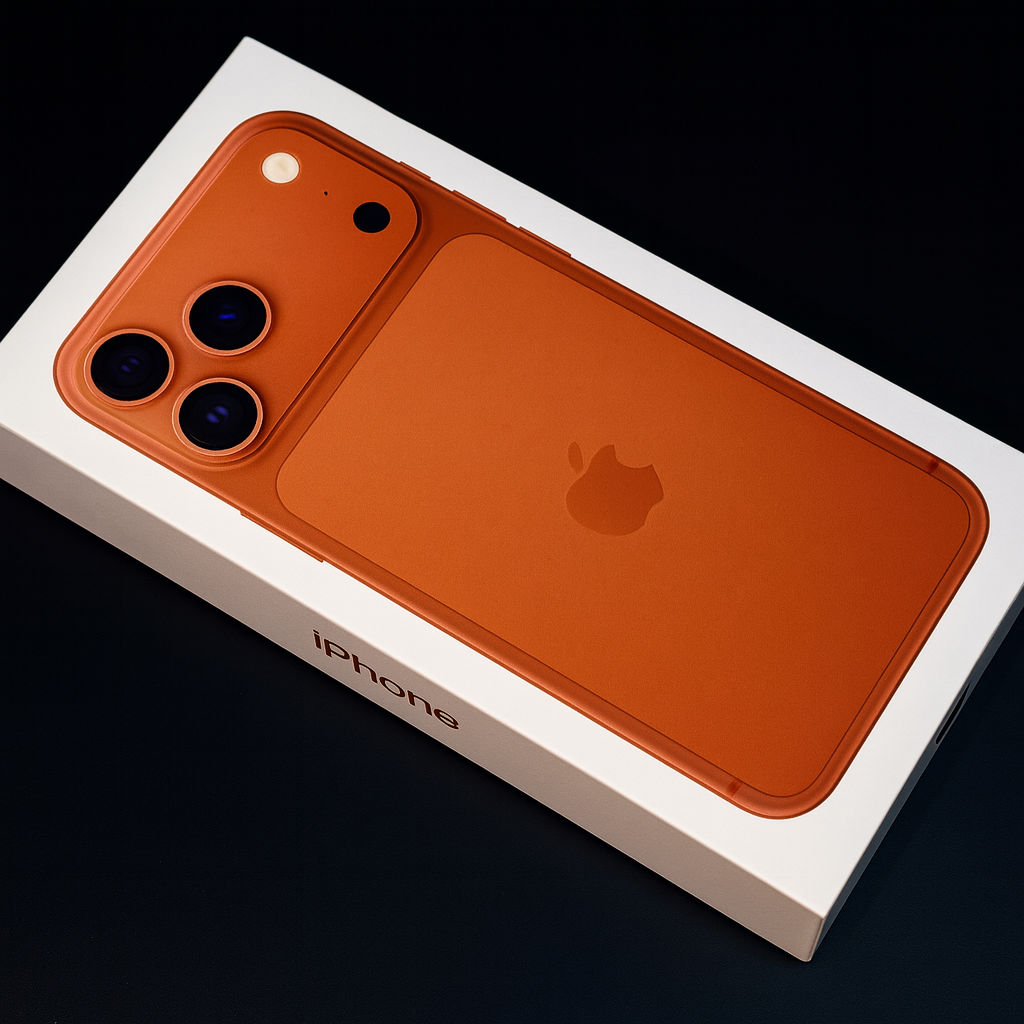
iPhone 17 Pro Max unboxing and serial number check


Hi Guys! I Just Got the New iPhone 17 Pro Max — Here’s Why You Should Always Verify the Serial Number First!

Hi guys! Today I’m super excited to share something special — I finally got my hands on the brand-new iPhone 17 Pro Max, Apple’s most powerful smartphone ever. Before doing any setup or transferring my data, I made sure to verify the serial number on Apple’s official website. This is one of the most important steps you should take whenever you buy a new iPhone, whether online, from a store, or from a reseller.

With so many imitations and refurbished units being sold as “brand new,” the safest choice is to confirm the authenticity straight from Apple. Let me walk you through exactly what I did — then we’ll look at the specs and how the iPhone 17 Pro Max compares to the iPhone 15 Pro Max and Samsung Galaxy S25.

Step 1: Check the Barcode at the Back of the Box

Before unboxing, flip the box over and look for the serial number (S/N) printed near the bottom. This number is unique to your device — like a fingerprint — and it’s your first line of defense against counterfeits.

Once you have your serial number, go to:

👉 https://checkcoverage.apple.com

Enter your serial number, fill in the CAPTCHA, and click Continue.

Step 2: What It Means When You See “Device Not Activated”

When I checked mine, the system showed:

🔒 Device Not Activated

This is exactly what you want to see if you bought a brand-new iPhone. It means:

  • The phone has never been set up
  • It was not previously linked to any Apple ID
  • It has not been replaced or repaired
  • The warranty countdown has not started

If the device shows something else (like expiring warranty dates or “activated”), it could mean the unit is used, replaced, or previously opened. So checking the serial number is absolutely worth doing before setup.

How to Activate the iPhone 17 Pro Max

  1. Insert your SIM card or connect to a strong Wi-Fi network
  2. Turn on your iPhone and follow the onscreen prompts
  3. Sign in with your Apple ID
  4. Once connected to the internet, your iPhone activates through Apple’s servers
  5. If activation fails: restart, try another Wi-Fi network, or connect to a Mac or PC (iTunes)

📱 iPhone 17 Pro Max – Basic Specifications

Display 6.9-inch ProMotion OLED (1–240 Hz adaptive refresh)
Chipset Apple A20 Pro Neural Fusion Architecture
Camera System 50 MP Main • 48 MP Ultra-Wide • 48 MP Periscope Telephoto (12× optical zoom) + AI Nightography
Battery Up to 32 hours video playback
Charging 40 W wired fast / 25 W MagSafe 2 wireless
Storage 256 GB / 512 GB / 1 TB / 2 TB
Build Titanium Series 3 frame
Colors Graphite Titanium, Stellar Silver, Deep Blue, Alpine Gold
Security Face ID Gen 4 + Secure Enclave X

📊 iPhone 17 Pro Max vs iPhone 15 Pro Max

🆙 Major Improvements

  • A20 Pro chip – 30 % more efficient, 40 % faster GPU
  • Better thermal cooling
  • 12× optical zoom vs 5× on 15 Pro Max
  • Brighter ProMotion display & stronger titanium frame
  • +4 hours battery life
  • MagSafe 2 with faster wireless charging

👍 Upgrade Worth It? Yes — especially for camera power, speed, and gaming efficiency.

📸 iPhone 17 Pro Max vs Samsung Galaxy S25

Where iPhone Wins

  • Long-term software support (8–9 years)
  • More efficient A20 Pro chip beats Snapdragon Ultra in benchmarks
  • Superior video quality & battery optimization
  • Titanium build vs aluminium frame

Where Samsung Wins

  • Faster charging speeds
  • More customizable Android UI
  • Higher display resolution
Overall: If you want stability, performance, and top-tier video, choose the iPhone 17 Pro Max. If you love customization and speed, the S25 remains a solid option — but Apple still leads in efficiency and longevity.

💬 Final Thoughts

Buying a new flagship phone is a big investment. That’s why verifying your iPhone’s serial number before setup is one of the smartest steps you can take. The iPhone 17 Pro Max is an incredible upgrade — powerful, elegant, future-ready, and loaded with AI-driven capabilities.

Enjoy your new device, guys — and always make sure it’s authentic before anything else! 📱✨


🔗 Verify Your iPhone Serial Number Here

Disclosure: This post may contain affiliate links. We may earn a small commission at no extra cost to you.


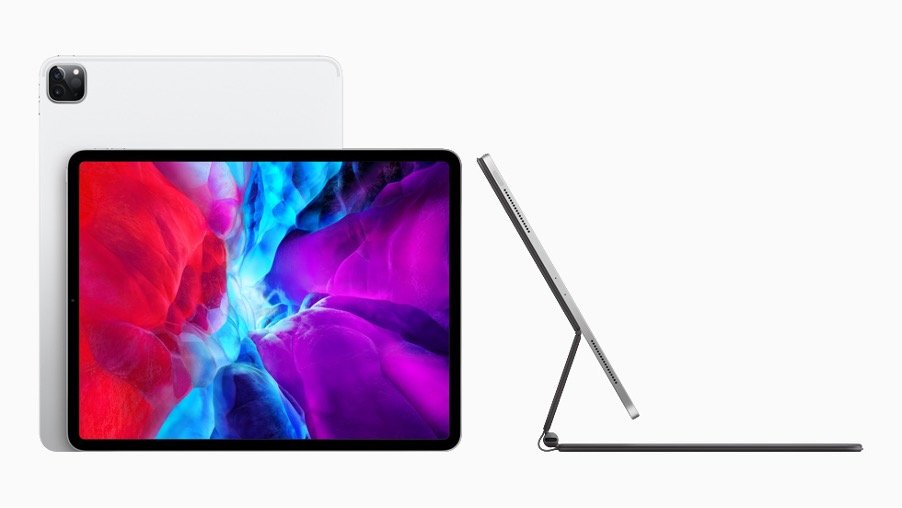
iPad Pro (M5) vs Surface Pro (SnapDragon)


November 2025 Update

iPad Pro vs Surface Pro comparison chart

Credit: Apple.com

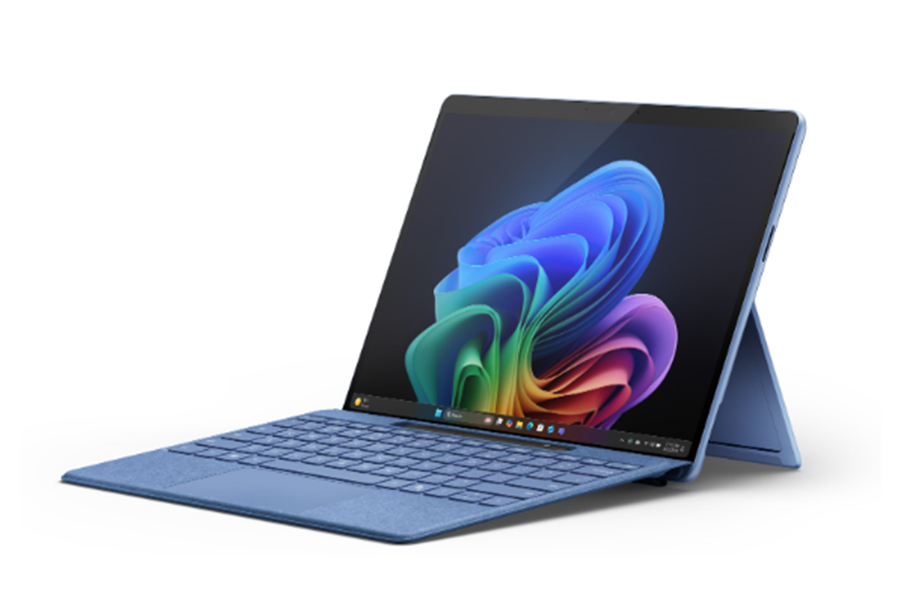
iPad Pro (M5) vs Surface Pro (Copilot+ PC): Battle of the Ultimate 2-in-1s in Singapore

Surface Pro vs Ipad Pro comparison chart

Credit: Microsoft.com
By Oleohub Editorial • Updated Nov 2025 • 10–12 min read

Meta In November 2025, Apple and Microsoft bring their most advanced 2-in-1 devices to Singapore — the iPad Pro (M5) and the Surface Pro (Copilot+ PC). This guide compares their chipsets, displays, accessories, AI features, and — crucially — Singapore pricing & availability, so you can decide which one fits your workflow and budget.

Introduction: A Premium Showdown in November 2025

Singapore’s tech scene is buzzing again. Microsoft’s Copilot+ PC lineup arrived mid-year, bringing AI-first Windows hardware, and Apple followed with its iPad Pro powered by the M5 chip. Both promise “do-everything” power for creators, students, and on-the-go professionals — but they take very different paths to get there.

If you want deeper context on the Windows side, don’t miss our in-depth Surface Pro (Copilot+ PC) review — we’ll reference it where relevant in this head-to-head.

🧠 The Brains: Apple M5 vs Snapdragon X Plus

Apple M5 (iPad Pro) delivers a big leap in on-device AI and GPU performance over M4. Apple’s Neural Engine accelerates creative workloads — think complex brushes in Procreate, 4K timelines in Final Cut, or multi-layer edits in Affinity Photo — without breaking a sweat.

Snapdragon X Plus (Surface Pro) brings an efficient 8-core CPU with a dedicated NPU rated for high TOPS. In real workflows, that unlocks Windows 11 Copilot+ features like live captions/translations, Recall-style search, and AI-assisted content creation baked into the OS.

Takeaway: If your life is creative apps on iPadOS, M5 is tailor-made. If you rely on full Windows software (coding, BI, enterprise apps), Snapdragon X Plus + Copilot+ is the better fit.

💻 Display & Design: Ultra Retina XDR vs PixelSense Flow

iPad Pro (M5) retains the stunning Ultra Retina XDR tandem-OLED display (high HDR brightness, deep contrast, ProMotion). For colour-critical work — grading, illustration, photography — it’s simply gorgeous.

Surface Pro offers a sharp PixelSense Flow display at 12 inches (with a 13-inch OLED option in some configurations). It’s bright and crisp, excellent for documents, browsing, and productivity in the classic 3:2 aspect ratio.

Takeaway: Creators will love iPad’s OLED. Professionals who read and type all day will appreciate Surface’s comfortable 3:2 panel — and the optional OLED bumps its punchiness too.

⚙️ Performance & Multitasking

iPad Pro (M5) is ridiculously responsive under heavy creative loads while staying cool and efficient. Stage Manager has matured, making external display workflows far smoother than early iPadOS iterations.

Surface Pro (Copilot+ PC) runs full Windows 11. That means Visual Studio, Power BI, SQL tools, the full Office suite, and countless specialized apps that don’t exist on iPadOS. It’s a “real laptop” that can go tablet-mode when you want to draw or take notes.

Takeaway: Need desktop-class software? Surface. Live in the Apple creative stack and value battery life? iPad Pro.

🧩 Accessories & Input Experience

iPad Pro pairs with Magic Keyboard (floating design, excellent trackpad) and Apple Pencil Pro (haptic feedback, rotation sensing). It feels premium — and very Mac-adjacent — while still being tablet-first.

Surface Pro works with the Surface Pro Keyboard and Slim Pen 2. The typing feel is superb for long sessions, and the Slim Pen’s haptics convincingly mimic paper friction. Many Singapore retailers bundle the keyboard/pen during promos.

Accessory math: Both ecosystems usually sell keyboards and pens separately. Always factor the total cost of ownership, not just device price.

🔌 Connectivity & Ports

iPad Pro (M5) supports Wi-Fi 6E, optional 5G on cellular models, and a single USB-C/Thunderbolt port. It’s fast — but you’ll likely want a hub for multi-peripheral setups.

Surface Pro offers dual USB-C ports, Wi-Fi 7 in some configs, optional 5G models, and the flexibility of Windows file management. Plugging into docks, SSDs, and monitors feels more “PC-native.”

Takeaway: Power users juggling drives, docks, and displays will prefer Surface’s port situation.

💸 Singapore Prices & Availability (as of Nov 2025)

Model Base Configuration Starting Price (SGD) Availability
Apple iPad Pro (M5) — 11" Wi-Fi M5 / 256 GB S$1,499 (est.) Available from 22 Oct 2025
Apple iPad Pro (M5) — 13" Wi-Fi M5 / 256 GB S$1,999 (est.) Available from 22 Oct 2025
Microsoft Surface Pro — 12" (Copilot+ PC) Snapdragon X Plus / 16 GB / 256 GB S$1,199 Retail since 1 Jul 2025
Microsoft Surface Pro — 12" (512 GB) Snapdragon X Plus / 16 GB / 512 GB S$1,349 Retail since 1 Jul 2025

Tip: Watch 11.11 and 12.12 promos in Singapore. Apple Authorised Resellers (iStudio, Harvey Norman) sometimes bundle Pencil/Keyboard credits; Microsoft Store/Challenger often discount the Surface Keyboard + Slim Pen or offer trade-in bonuses. Students and educators should check education pricing for both brands.

🧾 Quick Comparison Table

Feature iPad Pro (M5) Surface Pro (Copilot+ PC)
OS iPadOS Windows 11 Copilot+
Chip Apple M5 (9/10-core) Snapdragon X Plus (8-core)
Display Ultra Retina XDR OLED, 120 Hz PixelSense Flow LCD/OLED, up to 90 Hz
AI/NPU Apple Neural Engine High-TOPS NPU for Copilot+ features
Ports 1 × USB-C (Thunderbolt) 2 × USB-C (+ Surface Connect)
Battery ~10 hours (mixed) ~7–8 hours (mixed, config-dependent)
Stylus Apple Pencil Pro Surface Slim Pen 2
Keyboard Magic Keyboard (floating) Surface Pro Keyboard
Starting Price (SG) S$1,499 (11") S$1,199 (12")
Best For Creators, designers, mobile video/photo Developers, analysts, enterprise apps

⚖️ Oleohub’s Verdict: Which One Should You Buy?

Both devices are exceptional — but their identities remain clear. The iPad Pro (M5) is a creative powerhouse disguised as a tablet, while the Surface Pro (Copilot+ PC) is a true Windows laptop that happens to be a tablet when you want it.

  • Choose iPad Pro (M5) if you’re a designer/artist or you live in Apple’s ecosystem and want the best portable canvas with top-tier OLED.
  • Choose Surface Pro if you need Windows software (coding, BI, enterprise tools), flexible ports, and a 2-in-1 that can replace your laptop.

Next up: Read our deep-dive Surface Pro (Copilot+ PC) review for benchmarks, battery tests, and real-world performance — then compare deals from Singapore retailers during 11.11 and 12.12.

Disclosure: This post may contain affiliate links. If you purchase through these links, we may earn a commission at no extra cost to you.


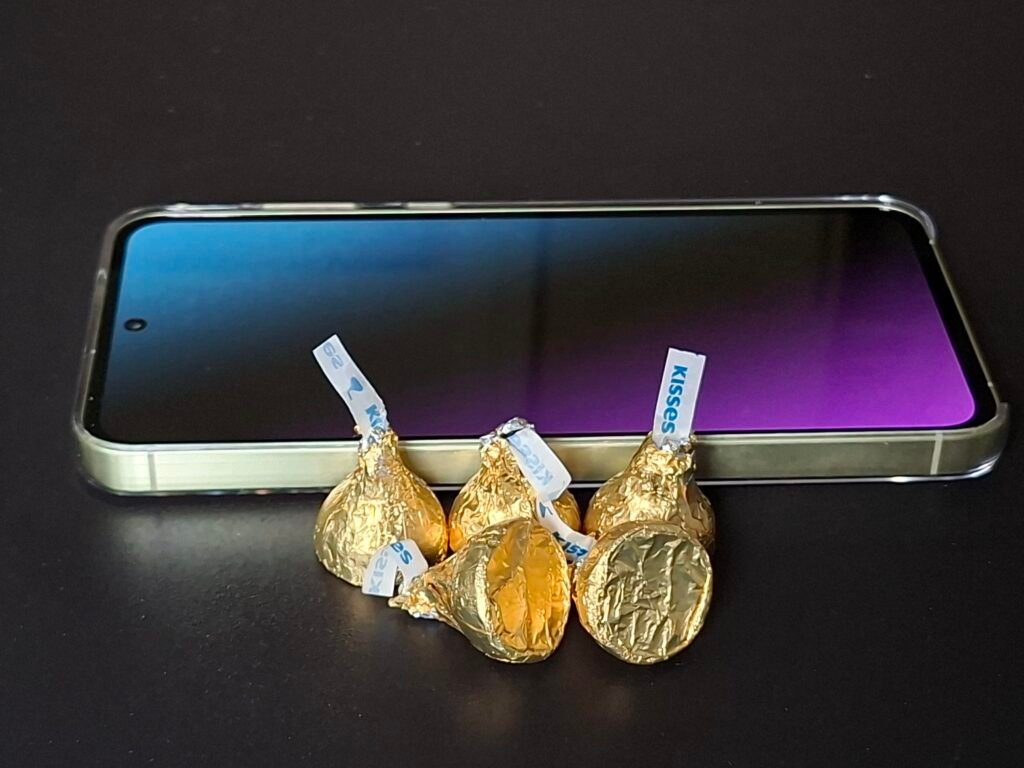
Combining Tech with a Treat: Unboxing the Samsung Galaxy A55 (Awesome Lemon) with Hershey’s Kisses Milk Chocolate

When Technology Meets a Taste of Happiness

There are moments in life when the smallest things bring the biggest smiles — the rustle of a new gadget’s box, the aroma of fresh chocolate, and the anticipation of a first touch. That was exactly my mood the day I bought the Samsung Galaxy A55 (Awesome Lemon, 8GB RAM, 256GB Storage).

As the package arrived, I couldn’t resist pairing the experience with a little indulgence: a bowl of Hershey’s Kisses Milk Chocolate beside me. It felt like the perfect duo — technology for the curious mind, and chocolate for the soul.

Unboxing tech can sometimes feel clinical, but when you unwrap each moment with sweetness (literally), it becomes something more memorable — a multisensory celebration of both innovation and comfort.
 

Introduction: A Treat While Unboxing

Some people unbox gadgets with a knife. I unbox them with chocolate.
It was a weekend I’d been waiting for — the day my new Samsung Galaxy A55 finally arrived. The excitement was real, but I decided to take it up a notch. Before slicing through the tape, I grabbed a handful of Hershey’s Kisses Milk Chocolates, poured them into a small bowl, and set them right beside the box.

Why not make this a full-on treat for the senses? The sweet aroma of milk chocolate, the rustle of foil, and the anticipation of revealing a new phone — it felt like Christmas morning, only with a tech twist.

A Sweet Start: The Unboxing Moment

The first thing I did was tear open a silver foil Hershey’s Kiss, letting that creamy, familiar chocolate melt on my tongue. Then, I carefully peeled off the plastic seal of the phone box. It’s funny — both gestures felt the same: gentle, exciting, and rewarding.

Inside lay the Samsung Galaxy A55, wrapped in soft protective film. Its Awesome Lemon color instantly brightened the moment — a soft pastel yellow that felt cheerful, fresh, and full of character. I paused to unwrap another Kiss, smiling as the foil crinkled between my fingers.

Samsung didn’t pack a charger (as usual these days), just the USB-C cable and documentation, but the star of the show was enough to make my day. That glossy lemon hue practically glowed under my desk light — like a slice of sunlight trapped inside glass.
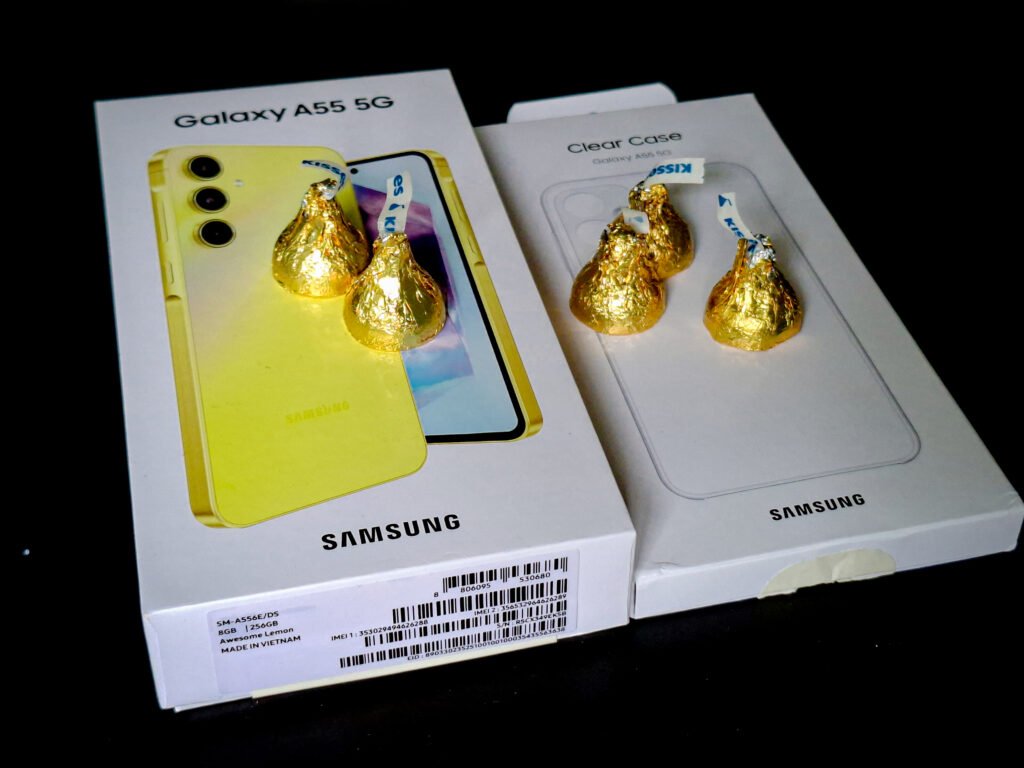


Design and Feel: Holding Sunshine in Your Hands

If phones had personalities, the A55 in Awesome Lemon would be the optimist of the bunch. Its matte glass back feels premium, framed by sturdy aluminum edges that give it a reassuring heft (around 213 g).

While some midrange phones feel light and plasticky, this one feels solid — more flagship than budget. The edges are neatly chamfered, the button placement is comfortable, and that unique “Key Island” power-volume cluster gives it extra flair.

I leaned back, took a bite of chocolate, and admired how Samsung balanced minimalism and playfulness. Lemon isn’t your everyday color choice, but that’s what makes it stand out — it’s a statement that says, “I’m different, and I’m proud of it.”

Display: Bright, Smooth, and Delightful

Once I powered it on, the 6.6-inch FHD+ Super AMOLED display came to life. I was immediately greeted by crisp text, deep blacks, and lively colors. The 120 Hz refresh rate made scrolling buttery smooth — like the way melted Hershey’s chocolate coats your mouth in one rich sweep.

Watching YouTube clips, browsing photos, and checking messages all felt seamless. The HDR10+ support adds vibrancy, making even mundane videos feel cinematic. And even outdoors, the brightness level handled Singapore’s harsh sunlight surprisingly well.

If you’re a visual person, this screen is pure joy. Whether you’re editing photos, watching Netflix, or just admiring wallpapers, the A55 makes every pixel feel alive.

Performance and Storage: A Reliable Everyday Partner

Under the hood, the Exynos 1480 processor with 8 GB RAM and 256 GB storage handles multitasking like a pro. I ran several apps — Chrome, Spotify, Instagram, and YouTube — while still browsing files and replying to messages, and the phone never lagged.

Gaming-wise, casual titles like Mobile Legends and Subway Surfers ran smoothly. It’s not a powerhouse like the S24 Ultra, but for daily tasks and light gaming, it’s excellent.

The large 256 GB storage is another sweet spot — no more deleting photos or videos to make room. And if that’s not enough, Samsung still supports expandable memory through microSD, which is rare in 2025.

Battery life deserves applause too. The 5,000 mAh battery comfortably lasts a full day of calls, browsing, video streaming, and Bluetooth music. It supports 25 W fast charging, so even when it’s running low, a short top-up gets you through the day.

Camera: Snapping Memories in Living Color

Next up was the fun part — testing the camera!

The 50 MP main sensor with Optical Image Stabilization captures crisp, detailed shots. I placed a few Hershey’s Kisses on my table, their shiny silver foils catching the afternoon light. The A55 nailed the colors — silvery whites, subtle shadows, and the creamy tones of the chocolate peeking out.

The 12 MP ultra-wide lens is great for scenic shots, and the 5 MP macro lets you get close enough to see every crease on a chocolate wrapper. Selfies from the 32 MP front camera were flattering and bright, even under indoor lighting.

Videos are smooth too, with 4K at 30 fps recording that’s perfect for vlogs or TikToks. The stabilization does a fine job keeping your shots steady even if your hand shakes slightly — like when you’re juggling chocolate and camera at the same time!

Software Experience: Clean, Smart, and Fun

Running Android 14 with One UI 6, the Galaxy A55 feels intuitive and polished. Samsung’s interface has matured into one of the best Android skins — organized menus, customizable themes, and useful features like Smart View, Quick Share, and App Pairs for multitasking.

I appreciate that Samsung commits to four major OS upgrades and five years of security updates, ensuring the phone stays secure and relevant. That kind of long-term promise adds serious value to a mid-range device.

And while you won’t find flagship perks like wireless charging or 8K video, you do get IP67 water and dust resistance, which is rare in this price segment.

The Sweet Companion: Hershey’s Kisses Milk Chocolate

Let’s talk about the real MVP of this unboxing — those tiny, delightful Hershey’s Kisses.

Each piece, wrapped in shiny foil with its signature paper plume, carries nostalgia and warmth. The smooth milk chocolate flavor hits that perfect balance between creamy and sweet, making it almost impossible to eat just one.

While waiting for the phone’s software updates to install, I found myself slowly unwrapping another Kiss, pairing the creamy melt with the excitement of setting up a new device. The taste lingered softly, just like the glow of the A55’s Lemon finish.

There’s something poetic about it — chocolate and technology. Both bring comfort in their own way. One feeds your curiosity, the other your cravings. Together, they make an ordinary afternoon feel like a celebration.

Pros and Cons Summary

👍 What I Loved

  • Vibrant Awesome Lemon color — fresh, eye-catching, and unique.

  • 120 Hz AMOLED display — bright, smooth, and immersive.

  • Solid build quality with glass and aluminum frame.

  • Dependable performance for everyday use.

  • Generous 256 GB storage with microSD expansion.

  • IP67 water and dust resistance.

  • Reliable 50 MP camera for great daylight shots.

  • Strong software support with years of updates.

👎 What Could Be Better

  • No charger included in the box.

  • 25 W charging could be faster.

  • Fingerprint scanner sometimes needs a retry.

  • Slightly heavy for smaller hands.

But honestly, none of these are dealbreakers. The overall experience is smooth, stylish, and sweet — just like the chocolates that kept me company.

A Treat Worth Every Bite and Byte

As I placed the phone on my desk beside the empty foil wrappers, I couldn’t help but smile. My Samsung Galaxy A55 Awesome Lemon wasn’t just another device — it was an experience. A moment of joy, color, and indulgence that blended technology with something simple and human: the pleasure of chocolate.

If you’re thinking about getting this phone, do it. It’s fun, it’s fast, and it’s beautiful. Pair it with your favorite treat — Hershey’s Kisses, gummy bears, or whatever makes you happy — and turn your next unboxing into something special.

Because in the end, life’s best moments aren’t just about specs and megapixels. They’re about the small joys — a burst of lemon yellow, a piece of chocolate melting slowly, and that little spark of happiness that makes technology feel personal.

Sweet Tech in Every Bite

Pairing the Samsung A55 with Hershey’s Kisses made this unboxing feel more human — a celebration of progress, wrapped in sweetness. The A55 isn’t trying to outshine flagships; it’s carving its own lane, where practicality meets polish.

It’s a phone that feels like it was designed for people who appreciate detail — those who pause to enjoy a moment, unwrap a chocolate, and admire how technology can be both powerful and comforting.

If you want a reliable daily driver that looks elegant, performs well, and lasts long, the Samsung Galaxy A55 delivers in spades. And if you want to elevate your unboxing ritual, pair it with a few Hershey’s Kisses — because every great gadget deserves a little sweetness on the side.

Final Rating

Design: 9/10
Display: 9.5/10
Performance: 8.5/10
Camera: 8.5/10
Battery: 9/10
Overall Experience: 9/10

Stay Tuned for the Next Treat

And that wraps up my sweet unboxing session with the Samsung Galaxy A55 — a phone that proves technology can be as comforting as a piece of chocolate. From its polished design to its powerful performance, the A55 definitely deserves a place among this year’s mid-range standouts.

But don’t put away your sweet tooth just yet — the tech journey isn’t over! 🍬
I’ll soon be back with another exciting review as Samsung prepares to unveil its next gem — the Samsung Galaxy A56. If the A55 is already this good, imagine what’s next on the menu.

So grab another Hershey’s Kiss, stay connected, and keep an eye on Oleohub.com for the next chapter of Tech Meets Treat!

Save You from Phone Disasters in Minutes

Acronis True Image 2026 Review – Backup Made Simple and Secure

Intro

Imagine you have a super-powerful copy machine for your computer—one that can take a snapshot of everything inside (your photos, homework, apps, settings) and then bring it back just like it was. That’s exactly what backup software does. But in today’s world, there are nasty things like viruses and ransomware that try to break into your computer and mess things up. So what if your backup tool could also watch out for those bad guys and help keep your computer safe?

That’s where Acronis True Image 2026 comes in. It’s like a two-in-one hero: both your “computer copy machine” and your “computer bodyguard.” In this review, we’ll walk through what it can do, what computers it works on, how you use it, and what’s good or not-so-good about it. I’ll try to keep it simple but also cover the important stuff.

Acronis True Image Sale

What Is Acronis True Image 2026?

Acronis True Image 2026 is software made to protect your computer data. “Protect” has two parts here:

Backup & recovery — making copies of your files and your whole system, so you can restore them if something bad happens (like you delete something by mistake, or your hard drive breaks).

Security & threat protection — watching out for malware, ransomware, and vulnerabilities so that bad software can’t damage your files or your backups.

In 2026, Acronis has added a new feature: patch management. That means the software can help update other programs on your computer so they don’t have security holes that hackers can use. 

So, it’s not just about copying files, but also keeping them safe.


Specifications & Compatibility (What Computers It Works On)

Here are the technical details of what Acronis True Image 2026 supports. Think of this as the “rulebook” of what it can do and what it can’t.


Operating Systems (Which computers it can run on)

  • Windows: It works on modern Windows versions. 

  • macOS: It also supports Apple computers with macOS. 

  • Mobile devices: Android and iOS devices can be backed up (for things like photos, contacts) using companion mobile apps.

    So your laptop, your Mac, your phone — it can help with all of them.

What kinds of storage and file systems it supports

To backup or restore, your files sit on storage (disks, drives, etc.). Here’s what Acronis supports:

  • Internal drives (where your computer is installed)

  • External drives (USB, Thunderbolt, etc.)

  • Network storage / NAS (other storage connected over your local network)

  • Cloud storage (Acronis Cloud) for offsite backups

It supports many file systems — that means how your data is organized on the drives:

  • For Windows: NTFS, FAT variants 

  • For macOS: APFS, HFS+ 

  • Also supports Linux file systems such as ext2, ext3, ext4, ReiserFS, Linux swap. 

  • For unsupported file systems, Acronis offers a “raw / sector-by-sector” mode, which copies every bit on the disk (even empty or unused parts). That is slower and less flexible. 

Also, backup files can be encrypted (locked so others can’t open them without a password) using AES encryption (strong encryption) to protect privacy. 

How You Use It (Step by Step)

Let’s walk through how someone would use Acronis True Image 2026 from start to finish. Think of this like instructions for a 5th grader (but with real detail).


Install and Setup

  • You download the software from Acronis’s website or get it via a subscription license.

  • After installing, you create or log into an Acronis account (needed especially if you use cloud features).

  • You choose what you want to back up (your whole computer, selected folders, or specific files).

  • You choose where to store backups (external drive, network drive, or Acronis Cloud).

  • Set schedule (when backups happen — daily, weekly, or continuous).

  • Turn on extra defenses: real-time protection, malware scans, and patch management.

Backup Modes & Strategies

Acronis gives several ways to back things up:

  • Full backup: copies everything you selected (big but complete).

  • Incremental backup: after a full backup, it only saves what changed since the last backup (saves space).

  • Differential backup: saves changes since the last full backup.

You can also do disk cloning — if you want to move your system from an old hard drive to a new one (like upgrading to SSD). Acronis will copy all data, system files, and software so you can use the new drive as if nothing changed. 

You can also sync files — which means keep two places (say, your computer and cloud) matching. But syncing is different from backup: sync means changes are mirrored, while backup keeps history. 

Running Backups

Once setup is done, backups can run automatically according to your schedule. You can also run a backup manually. The software works in the background. It may slow your computer a little while it’s copying large files, but usually it tries to work smoothly.

You should let it finish, or pause it if you need full speed for something else.

Restoring / Recovery

This is the “oh no something broke — now fix it” part.

  • You can restore individual files or entire folders via Acronis interface.

  • If your computer won’t start (because system files are broken), you can use rescue media / bootable USB (a special USB stick made earlier) to boot the computer and restore from backup.

  • It supports universal restore — meaning you can restore your system onto different hardware (if you get a new computer). Acronis will try to adjust drivers so the system works.

It’s very important to test your restore before you really need it — make sure your rescue USB works, and that backup files are valid.


Security & Patch Management (Added 2026)

This is what makes 2026 extra special.

  • Real-time monitoring / Active Protection: the program watches as you work, looking for signs of ransomware or malware. If something seems malicious, it can block changes or undo damage. 

  • On-demand antivirus scans: you can manually run scans of your computer to check for malware.

  • Vulnerability / patch scanner: it looks at your installed programs, finds security holes, and can automatically apply patches or notify you to update. 

  • Protecting backups: it defends backup files themselves from being deleted or corrupted by malware. 

Strengths (What’s Good) & Weaknesses (What’s Not So Good)

Let’s look at what Acronis True Image 2026 is good at and where it might struggle.

✅ Strengths

All-in-one solution

You get backup + security + patching together, so you don’t need many separate tools.

Flexible storage options

You can backup locally, to network drives, or to the cloud.

Good file system and device support

Works with Windows, Mac, Linux file systems, many types of storage devices.

Strong protection features

Real-time defense, malware scans, patching — helps reduce risk.

Cloning and universal restore

Helps when migrating to new hardware or recovering after serious problems.

Cloud + local hybrid plan

You can have fast local backups and offsite (cloud) backups for safety.

⚠️ Weaknesses / Trade-offs

Resource use

Running backup + protection features simultaneously can use CPU, memory, and slow your system, especially on older machines.

Complexity

Because there are many features, it may take time to learn all settings and choose wisely.

Rescue media issues

Some users report that bootable USB or recovery disks sometimes fail or have compatibility problems.

Subscription / cost

It likely follows the subscription model (you pay yearly) and cloud features may cost more. 

Backup format / version compatibility

Backup files from one version might not always work perfectly with other versions of Acronis software.

Potential software conflicts

Because it runs deep protection features, it may conflict with other antivirus or security software installed.

Use Cases: Who Should Use It & When

Here are some examples of when Acronis True Image 2026 is especially useful, and how to use it well.

Use Case

Advice / What To Do

You have just one PC or Mac and many files/photos

Use a “hybrid backup” — local drive + cloud backup, so you can restore fast but also keep offsite copy.

You plan to upgrade to a new hard drive or SSD

Use the disk cloning feature to copy everything, then verify backups.

You are protecting a family computer

Turn on real-time protection and patching so you reduce risk from harmful software or forgotten updates.

You want to keep old versions of your files

Use incremental/differential backups and set retention rules (keep backups for a time).

Your system gets hit by malware

Use the protection features and restore backups from a moment before infection.

Tips:

  • Always test your rescue media (USB) and do a trial restore before you truly need it.

  • Use encryption and strong passwords for your backups so only you can access them.

  • Don’t rely exclusively on cloud — keep local backups as a fast fallback.

  • Monitor logs and alerts regularly so you know backups are working fine.

Summary & Final Thoughts

Acronis True Image 2026 brings together a powerful mix of backup tools and security features, making it more than just a copy machine for your computer — it can act like a guard too. With support for many operating systems, various storage types, file systems, and now patch management, it gives you a strong suite of protection in one place.

It’s excellent for people who want all their digital safety under one roof, especially if you have important files, photos, schoolwork, or work data. But it does come with trade-offs: more features means more complexity, more resource use, and higher cost (especially if you use cloud storage).

If you use it well — test recovery, keep both local and cloud backups, update often, and avoid conflicts with other security tools — Acronis True Image 2026 can keep your computer safe and save you from a lot of headaches.

If you like, I can also rewrite this in a more casual style or make a shorter version for your blog. Do you want me to do that next?

Microsoft Surface Pro Review: 12-inch vs 13-inch – Which One Should You Buy?


Technology keeps moving fast, and laptops today are not just laptops anymore. They can turn into tablets, they can run apps like a phone, and they can help you draw, write, o

r even design things like an artist. One of the best devices that shows this is the Microsoft Surface Pro.

The Surface Pro is a “2-in-1” computer. That means it can be used as a laptop (with a keyboard) and as a tablet (without the keyboard). People love it because it’s light, powerful, and easy to carry anywhere.

But here’s the big question: should you get the 12-inchashampoo software Surface Pro or the 13-inch Surface Pro?

Let’s take a closer look at both, compare them, and find out which one is the best for you.

(Image Credit: Microsoft)

Meet the Microsoft Surface Pro (12-inch)

The 12-inch Surface Pro is like a smart notebook. It has a touchscreen, works with the Surface Pen (a digital pen for drawing or writing), and is small enough to fit in a backpack.

Best Features of the 12-inch Surface Pro:

  • Compact Size: At 12 inches, it’s easy to carry around. It feels like holding a thin notebook.

  • Touchscreen Display: Bright and sharp screen, perfect for watching videos, Zoom calls, or reading.

  • Lightweight: Around 1.7 pounds without the keyboard, which is lighter than most laptops.

(Image Credit: Microsoft)


  • Battery Life: Lasts around 12-13 hours, so you can use it all day at school or work.

  • Performance: Runs on Intel processors (like i5 or i7), so it can handle school projects, Office apps, and even some light gaming.

  • Windows 11: Comes with the newest version of Windows, which is smooth and easy to use.

The 12-inch version is best for students, travelers, or anyone who needs something portable.


Meet the Microsoft Surface Pro (13-inch)

The 13-inch Surface Pro is a bit bigger. You might think 1 inch doesn’t matter much, but it really does. That extra space makes the screen look larger, typing easier, andmultitasking more fun.

(Image Credit: Microsoft)

Best Features of the 13-inch Surface Pro:

  • Bigger Screen: At 13 inches, you get more room for apps, games, or split-screen work.

  • Sharper Display: The screen has higher resolution, which makes videos and pictures look amazing.

  • Better for Multitasking: If you like opening many apps at once, the bigger screen makes it easier.

  • Performance: Similar to the 12-inch, but the cooling and battery are slightly better in newer models.

  • Battery Life: Lasts about 13-15 hours, depending on what you do.

  • Stylus-Friendly: Artists and designers love the bigger canvas for sketching or digital art.

The 13-inch version is perfect for professionals, artists, or anyone who wants a laptop-tablet combo that feels closer to a real laptop.


Side-by-Side Comparison: 12-inch vs 13-inch

Here’s a simple chart to help you see the differences:

Feature

Surface Pro 12-inch

Surface Pro 13-inch

Screen Size

12.3 inches

13 inches

Weight

1.7 lbs

1.9 lbs

Battery Life

12–13 hours

13–15 hours

Resolution

2736 x 1824

2880 x 1920

Performance

Intel i5/i7 chips

Intel i5/i7 chips

Portability

Easier to carry

Slightly bigger but still slim

Best For

Students, travelers

Professionals, artists


Pricing: How Much Do They Cost?

Microsoft changes prices depending on the model, memory, and storage. But here’s a rough guide:

  • Surface Pro 12-inch: Starts around $999 and can go up to $1,500+ depending on upgrades (like faster processors or more storage).

  • Surface Pro 13-inch: Starts around $1,099 and can go up to $1,700+ for higher-end models.

Remember: the keyboard and pen usually cost extra. The keyboard is about $150, and the pen is around $100.


What Makes the Surface Pro Special?

  • 2-in-1 Magic: Switch from laptop to tablet in seconds.

  • Touchscreen Fun: Draw, tap, swipe, and write naturally.

  • Super Portable: Lighter than most laptops, so easy to bring to school or the office.

  • Great for Students and Professionals: Perfect for note-taking, video calls, and working on projects.

  • Strong Battery Life: Use it all day without needing to plug in.

  • Windows 11: Full laptop power in a tablet body. You can install real apps, not just mobile ones.


Why Should You Buy It?

Here’s why people love Surface Pro:

  • Students: Great for taking notes, drawing diagrams, attending online classes, and watching lessons.

  • Artists: The Surface Pen and big screen (especially the 13-inch) make it amazing for digital drawing or painting.

  • Business Professionals: Super light for traveling, strong enough for presentations, and perfect for typing emails on the go.

  • Everyday Users: Watch Netflix, play light games, browse the web, and connect with friends.

If you’re choosing between the two:

  • Get the 12-inch if you want something small, light, and easier to carry every day.

  • Get the 13-inch if you like a bigger screen for work, art, or entertainment.


Which One Wins?

Honestly, both are great. The 12-inch wins for portability. The 13-inch wins for experience and comfort.

Think of it this way:

  • The 12-inch is like carrying a small notebook.

  • The 13-inch is like carrying a magazine — still light, but more space to enjoy.


Final Thoughts

The Microsoft Surface Pro is not just a gadget — it’s like having a laptop, a tablet, and a sketchbook in one. Whether you go for the 12-inch or the 13-inch, you’re getting a powerful device that can help with school, work, or fun.

  • Choose the 12-inch if you’re always on the move.

  • Choose the 13-inch if you want more space to create, work, or watch movies.

Either way, you’ll love how light, fast, and useful it is.

If you’re looking for a computer that’s easy to carry, fun to use, and strong enough for work or play, the Microsoft Surface Pro is worth buying.


Conclusion

The Microsoft Surface Pro is like having a laptop, tablet, and digital notebook all in one. Whether you pick the 12-inch or the 13-inch, you’ll get a device that’s stylish, powerful, and perfect for school, work, or play.

If you want portability, choose the 12-inch.
If you want more comfort and space, choose the 13-inch.

No matter what, the Surface Pro is a smart buy in 2025.


👋 Final Words

The Microsoft Surface Pro 12-inch and 13-inch both bring power, style, and flexibility into one device. Whether you’re a student, professional, or artist, there’s a Surface Pro that fits your lifestyle.

But wait—our journey doesn’t end here! 🎉

👉 Stay tuned for our next big review: iPad Pro vs. Microsoft Surface Pro. We’ll dive deep into Apple’s iPad powerhouse and see how it stacks up against Microsoft’s Surface Pro. Which one will win in performance, design, and value? You won’t want to miss it!


📱 Apple iPhone 17 Air – Slim Design, Features & Review 2025

Apple has made a brand-new phone called the iPhone 17 Pro Max. It’s big, shiny, and super powerful. Every year, Apple makes their iPhones better, and this one is their best phone ever. It has a strong body, a really fast brain (chip), amazing cameras, and a long-lasting battery.

But the big question is: is it worth buying? Let’s check out what makes this phone so special.

(Credit: Apple.com)

Design (How It Looks and Feels)  

  • The phone is made with titanium and glass, so it’s strong but not too heavy.

  • It’s a little bigger than the last iPhone but also thinner, so it’s easier to hold.

  • Comes in cool new colors like Midnight Blue and Solar Titanium.

  • It’s waterproof and dustproof, so you don’t have to worry if it gets a little wet.


👉 In short: The iPhone 17 Pro Max is both tough and stylish.


Screen (What You See)

  • The screen is huge — 6.9 inches!

  • It’s super bright, so you can see it clearly even in the sun.

  • Colors look amazing, whether you’re watching movies, playing games, or scrolling TikTok.

  • The screen refreshes super fast (144Hz), so everything looks smooth.

👉 Watching videos or playing games feels like you’re looking at a mini movie theater in your hand.

One click and your internet is private. Get NordVPN today.


Performance (How Fast It Is)

  • It uses Apple’s newest brain called the A19 Bionic chip.

  • This chip makes the phone run super fast and saves battery too.

  • You can play heavy games, edit videos, or open many apps at once without slowing down.

  • Apple also added AI (artificial intelligence) to make things smarter — like fixing photos, predicting texts, and giving quick answers with Siri.

👉 This phone is basically like having a tiny powerful computer in your pocket.


Cameras (Take Amazing Photos and Videos)

  • The back has 4 cameras:

    • 200MP main camera (super detailed photos).

    • 48MP wide camera (great for landscapes).

    • 12MP zoom camera (can zoom in 10x without getting blurry).

    • LiDAR scanner (helps focus in the dark).

  • You can also record 8K videos (super sharp, like movies).

  • The selfie camera is 48MP, so your selfies look crystal clear.

  • Night photos look way better now — brighter and cleaner.

👉 If you love taking photos or making TikToks/YouTube videos, this phone is like carrying a pro camera everywhere.


One click and your internet is private. Get NordVPN today.


Battery (How Long It Lasts)


  • Big 5000mAh battery — lasts almost 2 days with normal use.

  • Can charge super fast: 50% in less than 20 minutes.

  • Works with wireless charging and can even charge your AirPods or Apple Watch.

👉 No more worrying about your phone dying in the middle of the day.


Software (What It Can Do)

  • Runs on iOS 19, Apple’s latest software.

  • Siri is smarter and faster — now it works even without the internet for some things.

  • You can connect smoothly with your iPad or MacBook — start something on your phone, finish it on another Apple device.

  • Fun new widgets and better privacy tools keep your data safe.

👉 The phone doesn’t just work well — it also works with all your other Apple gadgets.


One click and your internet is private. Get NordVPN today.

Price and Availability

  • Starts at $1,399 in the US (about S$1,899 in Singapore).

  • Comes in 256GB, 512GB, 1TB, and even 2TB versions.

  • Pre-orders opened in September 2025, and it’s available worldwide now.

👉 It’s expensive, but it’s Apple’s top phone, made for people who want the very best.


🎯 Conclusion

The iPhone 17 Pro Max is Apple’s most powerful phone yet. It has:

✅ A super-strong design

✅ One of the best screens ever

✅ A super-fast chip

✅ Cameras that beat most pro cameras

✅ Long battery life

✅ Smart new software

It’s pricey, but if you love gaming, photography, videos, or just want the top phone of 2025, the iPhone 17 Pro Max is hard to beat.

👉 It’s not just a phone — it’s like a mini computer, movie studio, and camera in your pocket.

The iPhone 17 Air is Apple’s sleekest and lightest iPhone yet — perfect for those who want power without the bulk. With its slim design, bright display, and strong performance, it feels like the perfect balance between style and speed. What are your thoughts on the iPhone 17 Air? Would you pick it over the Pro Max? Share your thoughts in the comments below, and stay tuned to Oleohub for more hands-on reviews and the latest in tech.


One click and your internet is private. Get NordVPN today.

iPhone 17 Pro Max vs iPhone 16 Pro Max vs Samsung Galaxy S25: Is Apple’s Big Redesign Worth It?

Hi everyone! In this review, we’ll take a look at Apple’s new iPhone 17 Pro Max, its fresh aluminum unibody design, bigger battery, and striking new colors. We’ll also compare it against the iPhone 16 Pro Max and Samsung Galaxy S25 to see if it truly stands out..

Apple’s iPhone 17 Pro Max lands with a look and feel that immediately sets it apart from last year’s iPhone 16 Pro Max—and it even shakes up the way we think about “Pro” materials. The headline: a heat-forged aluminum unibody replaces titanium. That’s right: no more titanium. According to hands-on reactions, the new aluminum is more durable thanks to a true unibody construction and lighter in the hand. Several early impressions also mention a pleasantly retro vibe—almost “iPhone 8-solid”—when you first pick it up.

If you’re cross-shopping the iPhone 17 Pro Max with Apple’s 16 Pro Max or Samsung’s 2025 flagship, the Galaxy S25, here’s how the new phone stacks up across design, performance, battery, cameras, and value.

Pricing used in this comparison (USD):
• iPhone 17 Pro Max (estimated for this analysis): $1,299
• iPhone 16 Pro Max (launch pricing reference): from $1,199
• Samsung Galaxy S25 (non-Ultra, typical flagship tier): from $899–$999
Note: iPhone 17 pricing is estimated for comparison purposes; S25 ranges reflect typical Samsung pricing for the non-Ultra model.

Click hereTop Apps for Online Security.

Design & Colors: Aluminum Unibody, New Energy

iPhone 17 Pro Max

  • Material: Heat-forged aluminum unibody (no more titanium). The single-piece frame is touted as both more durable and lighter.
  • In-hand feel: Several folks said it gives a retro, iPhone 8-like solidity—a reassuring, dense feel without heft.
  • Colors: The star is Cosmic Orange—a striking, standout color that “reads new iPhone” from across the room. You also get Deep Blue and Silver; “Black” isn’t in the initial mix, which may be Apple saving a true “black black” for a future drop.
  • Front protection & brightness: Ceramic Shield 2 returns, and peak brightness remains a brag: ~3,000-ish nits peak (the quotes in your data note “3006 peak brightness,” which we’ll interpret as a ~3,000-nit class).

iPhone 16 Pro Max

  • Material: Titanium band with glass back. Premium, but not unibody, and not as light-feeling as the 17’s aluminum unibody claims.
  • Colors: Last year’s palette leaned more muted; Desert Titanium was the novelty shade.

Samsung Galaxy S25

  • Material & finish: Samsung typically uses an aluminum frame with Gorilla Glass front/back on the non-Ultra model.
  • Colors: Samsung’s seasonal colors vary; the S-series tends to offer one bold hue alongside neutrals.

Early verdict: The iPhone 17 Pro Max takes a meaningful swing here. The unibody aluminum is a design decision with functional benefits (rigidity, possible weight savings), and Cosmic Orange is the “I-bought-the-new-one” signal color that creators love on camera.

Click hereTop Apps for Online Security.

Performance & Thermals: Built for Long Gaming Sessions

The iPhone 17 Pro/Pro Max platform puts heavy emphasis on thermals. Apple discussed a “zoom machine” (read: new camera/processing stack tailored for the Pro line) but the practical, everyday win might be heat. There’s a claim of ~40% reduction in temperature increases compared to previous iPhones—a big deal for gamers and anyone who shoots long-form 4K video.

  • Gaming: If you or your audience marathon mobile games, the 17 Pro Max’s cooler sustained temps should mean less thermal throttling and more stable frame rates over time. Several folks called this “huge” for their community.
  • Video: 4K recording is called out specifically (“4K 60/120” was mentioned in your notes; practically, expect rich 4K60 plus high-frame options). Cooler hardware + improved thermal design = fewer overheating warnings during long takes.

iPhone 16 Pro Max: Already powerful with excellent sustained performance, but users occasionally noted warmth in long gaming/video sessions. The 17’s thermal improvements target exactly that.

Samsung Galaxy S25: Samsung’s 2025 flagship silicon and cooling (Samsung often uses vapor chambers, too) are competitive. Android flagships can be excellent at first-burst performance; sustained temps vary by chip and throttle policy. On a non-Ultra S25, expect solid day-to-day speed and good gaming, but the 17 Pro Max’s explicit thermal push is the differentiator Apple’s leaning on.

Battery Life: The New iPhone Range King?

“Up to 39 hours of video playback” on iPhone 17 Pro Max

That’s the eye-catcher: Apple claims the best battery life ever in an iPhone, landing at up to 39 hours of video playback for the Pro Max. Hands-on users were already impressed by 16 Pro Max endurance, so the idea that 17 Pro Max pushes even further is exciting—especially for gaming and camera-heavy users.

A few nuanced notes from your data:

  • Bigger batteries in both 17 Pro and 17 Pro Max are part of the story.
  • eSIM-only versions (regions without a physical SIM tray) may get slightly larger batteries—Apple squeezing out extra capacity by reclaiming that SIM-tray volume.
  • Combined with the improved thermals, this compounds the benefit: cooler devices tend to sustain peak performance longer, which feels like “more battery,” even when the actual milliamp-hours are only modestly higher.

iPhone 16 Pro Max: One of the best battery performers of its generation, often making it into Day 2 for light users. The 17 Pro Max claims to surpass it, which—if even partly realized—puts it at the top of the endurance heap.

Samsung Galaxy S25: Samsung’s non-Ultra S models usually offer good-to-very-good battery life, but Apple’s “Pro Max” phones typically benchmark higher on endurance. If battery life is your top priority, the 17 Pro Max looks like the safer bet.

Displays & Durability: Familiar Wins, Subtle Refinements

  • ProMotion stays on the iPhone 17 Pro Max for silky 120Hz scrolling and gaming.
  • Ceramic Shield 2 continues as Apple’s front-glass defense.
  • Peak brightness (~3,000 nits class) keeps outdoor visibility excellent.
  • The unibody chassis can improve torsional rigidity—useful if you’ve ever worried about frame flex in a pocket or bag.

iPhone 16 Pro Max was already superb here. The 17 Pro Max largely matches the best bits, with the aluminum unibody and brightness parity acting as the subtle “feel it daily” upgrades.

Samsung Galaxy S25 on the non-Ultra has a high-refresh OLED and strong brightness too. Samsung’s color tuning tends warmer/vivid by default; Apple’s calibration leans toward neutral accuracy. Pick your preference.

Cameras: Pragmatic Focal Lengths, Bigger Sensors, Smarter Zoom

This year Apple’s camera story is less about headline 100× digital zooms and more about smart, usable focal lengths and sensor size:

  • Triple-camera system with choices that feel intentional for creators.
  • 4× optical telephoto plus 8× “fusion” (Apple’s blend of optics + high-res crop), with digital zoom up to ~40×.
  • A telephoto sensor that’s ~56% larger than before was discussed—critical for low-light tele where previous periscope systems on rivals often falter.
  • 48MP main and 48MP ultrawide, plus an 18MP Center Stage selfie camera round out the package.
  • Early takeaways: 8× looks “legit” in quick tests; low-light tele is where iPhones often pull ahead, and the bigger sensor should widen that lead.

Click hereTop Apps for Online Security.

How it compares

  • iPhone 17 Pro Max vs iPhone 16 Pro Max: Expect more usable mid-tele shots, cleaner 8×, and better low-light tele thanks to the larger sensor and improved processing. If you shoot a lot at night or zoom into concerts/sports, this generation looks made for you.
  • iPhone 17 Pro Max vs Galaxy S25: Samsung’s non-Ultra typically has strong primary/ultrawide cameras and a decent tele, but it’s the Ultra models that pack the crazy periscope reach. At the S25 (non-Ultra) tier, Apple’s low-light tele and color consistency often win. Expect the Samsung to offer punchier colors by default, which many social shooters like; Apple tends to deliver more consistent skin tones and a steadier HDR look.

Video creators note: Apple’s 4K recording (including high-frame variants) plus cooler sustained temps is a practical win: you can record longer, with fewer heat slowdowns, and maintain Apple’s trademark video reliability.

eSIM, Setup, and Everyday Quality-of-Life

There was a lively aside about eSIM getting easier year-over-year—switching carriers and numbers feels “super fast” now compared to the early days of hunting down apps and QR codes. Apple’s push toward eSIM-only (in certain regions) also frees up internal space for that slightly larger battery mentioned earlier. If you travel frequently, eSIM flexibility is a real perk.

iPhone 16 Pro Max supports eSIM (and in some markets, physical SIM), and it’s already straightforward. The 17 just benefits from the ecosystem’s steady maturation.

Samsung Galaxy S25 supports eSIM (market dependent) and dual-SIM variants exist in many regions—Samsung has long catered to multi-line users. If you need two active SIMs, Samsung handsets are often the easiest route.

Creator-Friendly Colors & On-Camera Presence

One theme that came up repeatedly: Cosmic Orange is a statement. If you’re on camera (YouTube, Reels, TikTok), a bold, unmistakable color signals “the new one” without you saying a word. That matters to creators who want their gear to read current in B-roll. Deep Blue and Silver look crisp, but Orange is the thumb-stopper.

Last year’s Desert Titanium did the “new new” job for the iPhone 16 Pro line, but the rest of the palette felt incremental. This year, Apple heard the complaint that Pro models lacked vibrancy—and answered.

Click hereTop Apps for Online Security.

Value & Who Should Upgrade

If you own an iPhone 16 Pro Max:

  • Upgrade if you care deeply about thermals (gaming, long 4K shoots), want noticeably better low-light telephoto, or you love the new design and colors enough to justify the spend.
  • Skip if your 16 Pro Max already meets your needs and you don’t push it hard with games or pro-longed video.

If you’re choosing between iPhone 17 Pro Max and Galaxy S25:

  • Pick iPhone 17 Pro Max for battery endurance, low-light telephoto, video reliability, and the ecosystem (AirDrop, iMessage, Final Cut workflows, etc.).
  • Pick Galaxy S25 if you prefer Android flexibility, multi-SIM options, and a lower entry price. If ultra-tele reach matters, consider Galaxy S25 Ultra specifically, which is a different price tier but brings Samsung’s signature long zoom.

If you’re on older iPhones (13/14 era):

  • The 17 Pro Max represents a big multi-year leap in battery, cameras, thermals, and build. This is a great “skip-cycle” landing point.

Quick Spec & Price Snapshot (USD)

Phone Frame/Build Headline Display Bits Battery Claim Cameras (highlights) Price (USD)
iPhone 17 Pro Max Heat-forged aluminum unibody ProMotion 120Hz, Ceramic Shield 2, ~3,000-nit class peak Up to 39 hrs video 48MP main, 48MP ultrawide, larger tele sensor (+~56%), 4× optical, 8× fusion, up to 40× Est. $1,299
iPhone 16 Pro Max Titanium frame, glass back ProMotion 120Hz, Ceramic Shield Excellent real-world endurance Triple-cam, strong video & colors From $1,199 (launch ref.)
Samsung Galaxy S25 Aluminum frame, Gorilla Glass High-refresh OLED, very bright Good-to-very-good Strong main/ultrawide; tele varies by model; non-Ultra = modest zoom $899–$999 (typical range)

Notes: The iPhone 17 pricing is estimated for this comparison; S25 pricing varies by storage and region.

Click hereTop Apps for Online Security.

Bottom Line

The iPhone 17 Pro Max is far more than a “mid-cycle” refresh. The aluminum unibody changes the feel and fundamentals; thermals finally get the love heavy users have been begging for; battery life pushes to a class-leading claim of up to 39 hours of video playback; and the camera story is about quality at practical focal lengths—especially low-light tele, where Apple already had an edge and looks to extend it.

If you live in games, long video shoots, or you just want a Pro iPhone that stays cool and lasts longer, the 17 Pro Max is the easy pick over the 16 Pro Max. Against the Galaxy S25, the choice rides on OS and priorities: battery/video consistency (Apple) vs Android flexibility and price (Samsung). For creators who also care about the look, Cosmic Orange is the instant brand flex.

Outro: Next Up—iPhone 17 Air

That’s our deep dive on the 17 Pro Max. Next on deck: iPhone 17 Air. We’ll explore whether Apple’s lighter-weight vision can deliver all-day battery, how it handles thermals under creator workloads, and whether its camera compromises (if any) matter in real life. Stay tuned—the iPhone 17 Air review is coming up next.

👉 Stay tuned—my next review will cover the all-new iPhone 17 Air, exploring how Apple’s slimmer sibling stacks up against the competition.

Mobie Data Recovery for iPhone & Android


PhoneRescue Review (2025): iMobie Data Recovery for iPhone & Android

PhoneRescue Review (2025): iMobie Data Recovery for iPhone & Android

By Oleohub • Updated 2025 • Category: Software Reviews

Losing photos, messages, contacts, or WhatsApp chats can feel like a disaster—especially when the files are
sentimental or work-related. PhoneRescue by iMobie is a desktop tool designed
to help mobile users recover lost data from iPhone/iOS and Android devices, as well as from
backups (like iCloud/iTunes) depending on your scenario.

This guide focuses on the 90% of what most users need: what PhoneRescue can recover, how it works,
when it’s worth paying for, and how it stacks up against other popular tools like Wondershare Dr.Fone,
Tenorshare UltData, and iMyFone D-Back.

Quick takeaway:
PhoneRescue is best for people who (1) deleted important data, (2) need to extract data from backups, or
(3) want an all-in-one “recovery + utility” workflow (especially on iOS). If your phone has physical damage,
or storage is heavily overwritten, no software can guarantee a full recovery.

What PhoneRescue Does (What Most Users Actually Need)

Most “phone recovery” problems fall into a few real-world cases. PhoneRescue focuses on these:

  • Deleted files: Photos, videos, contacts, messages, call logs, notes, and app data (varies by device and OS).
  • Backup extraction: Pull specific items from iCloud/iTunes backups (so you don’t need to restore the whole phone).
  • Selective recovery: Preview and recover only the items you want (not everything).
  • “Oh no” moments: Accidental deletion, failed updates, phone resets, or lost chats.

PhoneRescue for iOS: Typical Recovery Scenarios

iPhone users usually come for one of three paths:

  1. Recover from device: Best when the data loss is recent and your device is still accessible.
  2. Recover from iTunes backup: Great if you backed up to your computer but don’t want a full restore.
  3. Recover from iCloud: Helpful when your last iCloud backup contains the files you need.

Tip: The faster you stop using the phone after data loss, the better—new photos/apps can overwrite recoverable data.

PhoneRescue for Android: What It’s Used For

Android recovery often depends on device brand, Android version, and whether the phone allows deeper access.
Many users use PhoneRescue for Android to recover common data types and media files after deletion or system issues.

How It Works (Simple Explanation)

PhoneRescue runs on your computer and communicates with your phone through a cable (or through backups).
In practice, you’ll do this:

  1. Install PhoneRescue on Windows/Mac
  2. Connect your phone (or select iCloud/iTunes backup)
  3. Scan for recoverable data
  4. Preview what can be recovered
  5. Recover to your phone or your computer
Important: Recovery results depend on your situation. If the phone has been used heavily after deletion,
the chance of full recovery drops because the storage space may be overwritten.

Key Features (The “90%” Users Care About)

1) Recover data across common categories

For most people, the main win is recovering the essentials: photos, videos, messages, contacts, call history,
notes, calendars, and app data (depending on iOS/Android capability and backup availability).

2) Backup recovery without full restore

Instead of restoring your entire iPhone backup (which can wipe newer data),
PhoneRescue typically lets you extract specific items from a backup. This is especially useful when you only need
a few photos or an important chat thread.

3) Preview before you pay (in many cases)

Many recovery tools allow scanning and previewing in a trial mode, then require a license to complete recovery.
This helps you avoid paying blind.

4) Guided workflows

PhoneRescue is built for non-technical users: click-based steps, categories, and guided recovery. If you’re not an IT person,
this matters because you’ll spend less time figuring out what to do.

PhoneRescue Pricing (What You’ll Likely Pay)

PhoneRescue is typically sold in separate versions for iOS and Android, with plan options like
subscriptions (3-month / 1-year) and a one-time purchase depending on the offer available.

Edition Typical starting price Good for
PhoneRescue for iOS Starts around $45.99 (varies by plan/promo) iPhone/iPad data recovery + backup extraction workflows
PhoneRescue for Android Starts around $39.99 (varies by plan/promo) Android data recovery workflows (varies by device/OS access)

Pricing changes with promos and plan type. Always check the official store page for the latest offer and license terms.

Pros & Cons

Pros

  • All-in-one recovery focus for common “lost data” scenarios
  • Often supports preview/scan before paying
  • Selective recovery (grab only what you need)
  • Beginner-friendly workflow

Cons

  • Recovery success depends heavily on overwrite, device access, and backup availability
  • iOS vs Android features differ; Android recovery may vary by model/version
  • License cost can add up if you only need a one-time small recovery

PhoneRescue vs Other Tools (Quick Comparison)

Here’s how PhoneRescue compares to popular alternatives. No tool is “best for everyone”—it depends on your problem.

Tool Best for Why choose it over PhoneRescue Why choose PhoneRescue instead
Wondershare Dr.Fone All-in-one phone toolkit (recovery + utilities) You want a broad suite with many modules and brand recognition You prefer a simpler, focused recovery flow and targeted recovery mindset
Tenorshare UltData iPhone data recovery workflows You already used Tenorshare products and want matching UI/ecosystem You want iMobie’s recovery approach and plan options
iMyFone D-Back Recovering messages, media, and app data from multiple sources You prefer iMyFone’s interface and recovery templates You want an iMobie-focused recovery experience
Disk Drill (iOS) Recovery + drive utility style approach You want a utility-style toolset beyond phone workflows You want a phone-first guided recovery experience

Reality check: If a competitor offers a free “recover” tier, it may still limit saving files—many tools let you scan for free but require payment to export.

Who Should Use PhoneRescue?

Buy it if you are in these situations:

  • You deleted important photos/messages and need a recovery scan
  • You have iCloud/iTunes backups and want to extract data without restoring the whole device
  • You prefer a guided, beginner-friendly workflow
  • You need selective recovery (not a full dump)

Skip it if:

  • Your phone is physically damaged (no detection, storage failure, severe hardware issue)
  • You already overwrote storage heavily after deletion (new videos/apps/updates)
  • You only need a tiny recovery and a free method (backup restore) already works for you

How to Use PhoneRescue (Simple Steps)

  1. Download & install PhoneRescue on your computer.
  2. Connect your phone using a trusted USB cable.
  3. Choose the data types you want to recover (Photos, Messages, Contacts, etc.).
  4. Run a scan and wait for results.
  5. Preview items (when available).
  6. Recover selected items to your computer or device (depending on your mode).
Best practice: After data loss, stop installing new apps and stop recording new videos/photos until you try recovery.

FAQs

Is PhoneRescue safe to use?

Generally, reputable recovery tools are designed to read and extract data without intentionally harming your device.
Always download from the official website and avoid cracked versions.

Can PhoneRescue recover WhatsApp chats?

Recovery depends on your backup situation and device state. If backups exist, extraction is often the most reliable route.

Will it work if my iPhone is disabled?

It depends on whether the device can still be recognized and whether a backup exists. If the device can’t be accessed,
backup-based recovery is often the best option.

Verdict

PhoneRescue is a practical recovery option if you want a guided workflow to retrieve essential phone data
and you value the ability to recover selectively—especially from backups. If your priority is a massive “toolbox” suite,
Dr.Fone may be more appealing. If you want a phone-first recovery experience with clear flows, PhoneRescue is worth considering.

PhoneRescue Android Product Price

Affiliate disclosure: This page may contain affiliate links. If you buy through our links, we may earn a commission at no extra cost to you.

Oleohub provides honest reviews and tutorials. Results vary by device, OS version, backup availability, and data overwrite conditions.