Select Page

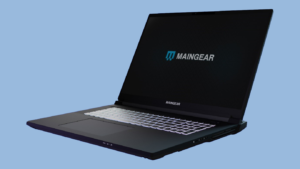
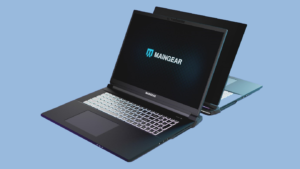
Hot New Maingear Ultima 18 Laptop. Check the Specs.
Maingear Ultima 18: Desktop-Class Power in a Backpack

When Maingear launched the Ultima 18 on June 11, 2025, it wasn’t just unveiling another gaming laptop—it was redefining the category. Built in collaboration with Clevo, this 18‑inch beast aims to deliver desktop-level performance—without compromising portability. As Maingear CEO Wallace Santos says, it’s “a no‑compromise desktop‑class gaming rig that fits in a backpack” en.wikipedia.org+14forbes.com+14laptopmag.com+14tomsguide.com+3notebookcheck.net+3venturebeat.com+3.

The Heart of the Beast: CPU & GPU

Intel Core Ultra 9 275HX

At the core of the Ultima 18 is Intel’s brand-new Core Ultra 9 275HX processor. With 24 cores and a turbo boost up to 5.4 GHz, this “Arrow Lake” CPU is nearly as fast as the slightly higher-clocked 285HX variant released earlier this year forbes.com+8pcworld.com+8notebookcheck.net+8. The multi-core performance makes it equally capable for intense gaming, multitasking, content creation, and even AI workloads.

NVIDIA GeForce RTX 5090 / RTX 5080

pa plenty of desktop-level graphics. Users can choose between the RTX 5080 or the flagship RTX 5090 Laptop GPU—each equipped with up to 24 GB of GDDR7 VRAM and a 175 W TGP—to dominate AAA titles and creative workflows tech.yahoo.com+12maingear.com+12venturebeat.com+12. It’s a GPU lineup typically reserved for top-tier desktops, now mobile.

Memory & Storage: No Compromises

Perhaps the most impressive specs come in RAM and storage:

  • Up to 192 GB DDR5 memory across four SO-DIMM slots (dual‑channel), with 48 GB modules—ideal for extreme multitasking or large-scale creative projects notebookcheck.net.
  • Four M.2 NVMe SSD slots, including one PCIe Gen5x4 and three Gen4x4 bays, supporting up to 32 TB total storage—speed and expandability at its best pcworld.com+6maingear.com+6notebookcheck.net+6.

Even base models pack 32 GB RAM and 2 TB SSDs, with “Boost” options doubling both venturebeat.com+2maingear.com+2notebookcheck.net+2.

Visuals That Slay

At 18 inches with a 16:10 aspect ratio, the display delivers:

  • Resolution: 3840 × 2400 (4K)
  • Refresh rate: 200 Hz G‑SYNC
  • Color gamut: 100 % DCI‑P3
  • Response time: < 7 ms

This is one of the few 4K 200 Hz gaming panels around, giving you smooth 4K visuals at desktop-level fidelity laptopmag.com+12maingear.com+12notebookcheck.net+12tweaktown.com+2laptopmag.com+2tomshardware.com+2.

Performance Modes & Cooling

Inside is an advanced cooling system with adjustable fan profiles controlled via Maingear’s Control Center. Choose Performance mode for full power or Entertainment mode for quiet gaming tech.yahoo.com+8maingear.com+8maingear.com+8. Plus, NVIDIA Advanced Optimus intelligently switches between integrated and discrete graphics to extend battery life when unplugged laptopmag.com+9forbes.com+9venturebeat.com+9.

Battery & Mobility

Despite its power, the Ultima 18 packs a hefty 98 Wh battery and ships with a 330 W power brick designed to fit in a backpack. It also supports USB‑C charging, letting you top up on the go prnewswire.com+12forbes.com+12venturebeat.com+12. Though weighing around 8.8 lb (3.99 kg), Maingear has succeeded in keeping it travel-friendly compared to many desktop replacements forbes.com+8laptopmag.com+8notebookcheck.net+8.

Connectivity & I/O

Leveling up beyond typical laptops, the Ultima 18 offers:

This lineup ensures compatibility with multi-monitor setups, fast networking, and even future AR/VR accessories.

Build Quality, Design & Features

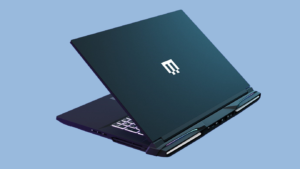
Housed in a metal chassis with reinforced lid and palm rest, the Ultima 18 exudes durability tomshardware.com+3notebookcheck.net+3venturebeat.com+3. Additional premium touches include:

Pricing & Support

The Ultima 18 starts at $3,599 for the base RTX 5080 and rises to $4,299 for the RTX 5090 GPU istartvalley.org+13maingear.com+13pcworld.com+13. Custom configurations let buyers max out RAM and SSD slots. Importantly, every unit comes with lifetime support from Maingear’s New Jersey team maingear.com+9laptopmag.com+9notebookcheck.net+9.

What Makes the Ultima 18 Stand Out?

  1. Desktop-level performance with cutting-edge CPU and GPU options.
  2. Huge memory and storage ceiling — up to 192 GB RAM and 32 TB SSD.
  3. Spectacular 4K 200 Hz panel—rare in mobile machines.
  4. Comprehensive connectivity including Thunderbolt 5 and dual LAN.
  5. Support and build quality consistent with Maingear’s boutique reputation.

While heavy, expensive, and not meant for casual travel, the Ultima 18 appeals to users seeking desktop power in a backpack—ideal for pro gamers, streamers, content creators, and anyone needing future-proofed horsepower.

Verdict

The Maingear Ultima 18 is a niche product—but within that niche, it’s unmatched. It combines desktop-like performance, a stunning display, flexible upgradability, and premium design all in one machine. It’s not for everyone—its weight and price reflect that—but for those who demand maximum power on the go, it’s a serious contender.

  • Pros:
    • Desktop-grade CPU & GPU
    • Massive RAM & storage limits
    • Beautiful 4K, 200 Hz display
    • Rich connectivity
    • Exceptional support
  • Cons:
    – Heavy (8.8 lb)
    – Limited battery life under load
    – Premium price

Final Thoughts

If you refuse to compromise on power, speed, or upgradeability, Maingear’s Ultima 18 deserves serious consideration. With its high-end specs, future-facing features, and Maingear’s signature support, it redefines what a gaming laptop can be: a portable desktop powerhouse.

Let me know if you’d like benchmarks, comparisons with rivals like the Razer Blade 18 or MSI Titan 18, or deeper insights into performance in specific games or workloads!

Lenovo Legion 7i (16”, Gen 9): A Powerhouse Gaming Laptop

Introduction

The Lenovo Legion 7i (16”, Gen 9) is the latest iteration of Lenovo’s high-performance gaming laptop series, designed for hardcore gamers and content creators. Packed with Intel’s latest processors, NVIDIA’s powerful graphics, a stunning 16-inch display, and advanced cooling technology, the Legion 7i Gen 9 pushes the boundaries of gaming laptops.

This article explores the key features, specifications, performance benchmarks, and why the Legion 7i Gen 9 stands out in the gaming laptop market.

Design & Build: A Sleek Yet Powerful Machine

The Legion 7i (16”, Gen 9) maintains Lenovo’s signature Legion aesthetic—premium build quality with an aluminum chassis, sleek edges, and a RGB-lit Legion logo on the lid. The storm grey color gives it a refined, professional look that fits both gaming and professional environments.

Key Design Features:

  • Thin bezels around the 16-inch QHD+ (2560×1600) display
  • Per-key RGB lighting on the keyboard for customization
  • Large touchpad and a full-sized keyboard with deep key travel
  • Multiple connectivity ports, including USB-C, Thunderbolt, HDMI, and an Ethernet port

The Legion 7i strikes the perfect balance between a gaming powerhouse and a professional-looking laptop, making it suitable for both work and play.

Display: A Visual Delight

A great gaming laptop needs a high-refresh-rate, vibrant display, and the Legion 7i Gen 9 delivers with its 16-inch IPS panel featuring:

  • QHD+ resolution (2560×1600) for ultra-crisp visuals
  • 240Hz refresh rate for smooth gameplay with no motion blur
  • 3ms response time for quick reaction times in FPS and action games
  • 500 nits brightness ensuring visibility even in bright environments
  • 100% sRGB color accuracy, making it perfect for content creators

Whether you’re gaming, editing videos, or streaming movies, the Legion 7i Gen 9’s display elevates the experience with sharp, vivid, and fluid visuals.

Performance: Power Meets Efficiency

At the heart of the Legion 7i Gen 9 is Intel’s latest 14th Gen Core i9 processor, delivering blazing-fast performance for both gaming and productivity tasks. The laptop is powered by NVIDIA’s GeForce RTX 40-series GPUs, offering real-time ray tracing and AI-powered upscaling via DLSS 3.0.

Key Performance Specs:

  • Processor: Intel Core i9-14900HX (24 Cores, up to 5.6GHz)
  • GPU: NVIDIA GeForce RTX 4080/4090 (16GB GDDR6 VRAM)
  • RAM: Up to 32GB DDR5 (5600MHz)
  • Storage: Up to 2TB PCIe Gen 4 SSD

With these top-tier specs, the Legion 7i Gen 9 effortlessly handles AAA games, creative workloads, and multitasking without breaking a sweat.

Cooling System: Legion ColdFront 5.0

One of the biggest challenges with high-performance gaming laptops is heat management. Lenovo has addressed this with its latest Legion ColdFront 5.0 cooling system, featuring:

  • Vapor chamber cooling for improved heat dissipation
  • Quad-fan system for better airflow
  • AI-driven thermal optimization for real-time adjustments
  • Large intake and exhaust vents for efficient heat management

This advanced cooling system ensures that even during intense gaming sessions, the Legion 7i stays cool and maintains peak performance.

Battery Life & Charging

Despite being a high-performance gaming laptop, the Legion 7i Gen 9 offers surprisingly decent battery life with its 99.9Wh battery—the maximum legal size for laptops.

Battery & Charging Features:

  • Up to 6-8 hours of battery life (varies based on usage)
  • Fast charging with 330W adapter – charges 0-50% in 30 minutes
  • USB-C power delivery support for portable charging

Though gaming laptops are rarely known for long battery life, the Legion 7i Gen 9 still offers solid endurance when used for non-gaming tasks.

Software & Features

  1. Legion AI Engine+

Lenovo’s Legion AI Engine+ dynamically optimizes CPU, GPU, and power usage based on the task, boosting gaming performance automatically.

  1. Lenovo Vantage

The Lenovo Vantage software allows users to fine-tune performance settings, adjust RGB lighting, overclock the GPU, and monitor system health in real-time.

  1. AI-Tuned Performance Modes
  • Balanced Mode – Optimizes performance and battery life
  • Performance Mode – Unleashes full power for gaming
  • Quiet Mode – Lowers fan noise for casual use

These intelligent features enhance usability and customization, making the Legion 7i more than just a powerful machine.

Gaming Performance Benchmarks

The Legion 7i (16”, Gen 9) excels in AAA gaming, delivering high frame rates at QHD+ resolution with ray tracing enabled. Below are some estimated performance benchmarks with an RTX 4090 GPU:

Game Settings (QHD+) Average FPS
Cyberpunk 2077 Ultra + Ray Tracing 90-110 FPS
Call of Duty: MW3 Ultra 140-160 FPS
Baldur’s Gate 3 Ultra 120-140 FPS
Assassin’s Creed Valhalla Ultra 130-150 FPS
Fortnite Epic + DLSS 180+ FPS

With DLSS 3.0 and frame generation, these numbers can go even higher, ensuring buttery smooth gaming at max settings.

Who Should Buy the Legion 7i (Gen 9)?

Best For:

Hardcore gamers wanting the best performance
Content creators needing a powerful GPU for video editing & 3D rendering
Professionals looking for a powerful yet premium-looking laptop
Esports players who need high refresh rates & ultra-fast response times

Not Ideal For:

✘ Users looking for ultra-portability (it’s powerful but not lightweight)
✘ Those on a tight budget (this is a high-end machine)

Pricing & Availability

The Legion 7i Gen 9 is available in different configurations, with pricing starting from $2,499 for the base model and going up to $3,999+ for the high-end RTX 4090 variant.

It can be purchased via:

  • Lenovo’s official website
  • Amazon, Best Buy, and major electronics retailers
  • Custom configurations on Lenovo’s website

Conclusion: The Ultimate Gaming Laptop

The Lenovo Legion 7i (16”, Gen 9) is an absolute powerhouse in the gaming laptop world. With cutting-edge Intel and NVIDIA hardware, a stunning high-refresh-rate display, and an advanced cooling system, it delivers exceptional gaming and professional performance.

Whether you’re a gamer, content creator, or power user, the Legion 7i Gen 9 is one of the best gaming laptops on the market in 2024. If you’re looking for top-tier performance with premium build quality, this laptop is definitely worth the investment.

The Evolution of Cloud Computing and Strategies of Leading Cloud Providers

The Evolution of Cloud Computing and Strategies of Leading Cloud Providers

Introduction

Cloud computing has fundamentally transformed how businesses and individuals access and utilize computing resources. In today’s digital era, organizations rely on cloud computing for everything from data storage and application development to artificial intelligence (AI) and cybersecurity. The ability to scale resources on demand, reduce IT costs, and enhance collaboration has made cloud computing an indispensable tool in modern IT infrastructure.

Cloud computing has expanded beyond simple storage solutions to power advanced technologies such as machine learning, big data analytics, and the Internet of Things (IoT). As businesses become increasingly reliant on cloud platforms, the competition among providers continues to grow, each offering distinct advantages to attract customers.

In this article, we will explore the current state of cloud computing, its latest trends, and the strategies adopted by five leading cloud providers—Amazon Web Services (AWS), Microsoft Azure, Google Cloud Platform (GCP), IBM Cloud, and Oracle Cloud—to maintain their dominance in the industry.

The Current State of Cloud Computing

The cloud computing industry has evolved significantly in the past decade. What started as a way to store data online has now become the backbone of most business operations. Organizations use cloud computing for hosting websites, running software applications, managing big data, and deploying AI-driven solutions.

Here are some key trends shaping the cloud industry today:

  1. Multi-Cloud and Hybrid Cloud Adoption

Instead of relying on a single cloud provider, businesses are increasingly adopting multi-cloud and hybrid cloud solutions. A multi-cloud approach allows companies to use multiple providers for different tasks, ensuring redundancy and optimizing costs. Hybrid cloud strategies integrate on-premises infrastructure with cloud resources, giving organizations flexibility and control over their data.

  1. AI and Machine Learning Integration

Cloud providers are integrating AI and machine learning into their platforms, allowing businesses to automate tasks, analyze large datasets, and develop intelligent applications. AI-powered cloud services enhance decision-making, streamline operations, and improve cybersecurity.

  1. Serverless and Edge Computing

Traditional cloud computing relies on virtual machines and containers, but serverless computing is gaining popularity. It allows developers to focus on writing code while the cloud provider automatically manages the infrastructure. Edge computing, on the other hand, processes data closer to where it is generated, reducing latency and improving performance for IoT devices.

  1. Cloud Security and Compliance

With cyber threats on the rise, cloud security has become a major focus. Cloud providers invest heavily in encryption, identity management, and compliance certifications to ensure customer data is protected. Organizations must follow regulatory frameworks such as GDPR, HIPAA, and ISO 27001 to maintain compliance.

  1. Sustainability and Green Cloud Computing

As energy consumption from data centers grows, cloud providers are adopting sustainable practices to reduce their carbon footprint. Many companies, including Google and Microsoft, are investing in carbon-neutral data centers powered by renewable energy.

Top Cloud Computing Companies and Their Strategies

Several companies dominate the cloud computing landscape, each employing unique strategies to gain a competitive edge. Below are the five leading cloud providers and their approach to cloud innovation:

  1. Amazon Web Services (AWS) – Market Leader with Scalability and Innovation

AWS, a subsidiary of Amazon, is the largest cloud provider globally, holding a dominant market share in the cloud industry. It offers over 200 fully featured services, including computing power, storage, machine learning, and analytics.

Key Strategies of AWS:

  • Broad Service Portfolio – AWS provides a vast range of services catering to startups, enterprises, and government agencies.
  • Scalability and Pay-as-You-Go Pricing – AWS enables businesses to scale their cloud resources on demand, ensuring cost efficiency.
  • Global Infrastructure – With data centers across 26 regions and 84 availability zones, AWS ensures low-latency services worldwide.
  • Strong Partner Ecosystem – AWS collaborates with thousands of technology partners to expand its cloud offerings.
  1. Microsoft Azure – Enterprise-Driven Hybrid Cloud Strategy

Microsoft Azure is the second-largest cloud provider, widely preferred by enterprises due to its deep integration with Microsoft products such as Windows Server, Office 365, and SQL Server.

Key Strategies of Microsoft Azure:

  • Hybrid Cloud Leadership – Azure Arc allows businesses to manage both on-premises and cloud resources seamlessly.
  • AI and Data Analytics – Microsoft invests heavily in AI, offering Azure Cognitive Services and Azure Machine Learning for businesses.
  • Security and Compliance – Azure provides enterprise-grade security and holds over 90 compliance certifications, making it a preferred choice for regulated industries.
  • Collaboration with Enterprises – Microsoft’s strong relationships with large corporations drive Azure adoption.
  1. Google Cloud Platform (GCP) – AI-Driven and Sustainable Cloud Solutions

Google Cloud is a rising contender in the cloud industry, known for its expertise in AI, data analytics, and sustainability. GCP powers some of the world’s largest businesses, including Spotify, Twitter, and PayPal.

Key Strategies of Google Cloud:

  • AI and Machine Learning Leadership – GCP offers TensorFlow, BigQuery, and Vertex AI to enable data-driven decision-making.
  • Multi-Cloud and Open Source Support – Google Cloud supports multi-cloud environments and open-source technologies like Kubernetes.
  • Sustainability Commitment – Google operates 100% carbon-neutral cloud data centers and aims to be carbon-free by 2030.
  • Security and Zero-Trust Model – GCP follows a zero-trust security model, ensuring top-notch data protection.
  1. IBM Cloud – AI-Powered Automation and Enterprise Solutions

IBM Cloud focuses on delivering cloud solutions for AI, cybersecurity, and blockchain. It is a preferred choice for enterprises seeking hybrid cloud capabilities.

Key Strategies of IBM Cloud:

  • Hybrid Cloud and AI Integration – IBM’s Watson AI and Red Hat OpenShift enable businesses to deploy AI models at scale.
  • Enterprise-Grade Security – IBM Cloud offers advanced security features, including confidential computing for sensitive data.
  • Blockchain and Quantum Computing – IBM leads in blockchain solutions and quantum computing research.
  • Industry-Specific Cloud Services – IBM Cloud tailors solutions for industries such as healthcare, finance, and government.
  1. Oracle Cloud – Specialization in Databases and Enterprise Applications

Oracle Cloud is best known for its high-performance database solutions and enterprise software offerings. It serves businesses that rely on Oracle ERP, CRM, and cloud-based analytics.

Key Strategies of Oracle Cloud:

  • Superior Database Performance – Oracle Cloud offers Autonomous Database, which automates tuning, backups, and security.
  • Cloud-Native and AI-Powered Services – Oracle Cloud enables enterprises to modernize their IT infrastructure using AI-driven insights.
  • Cost-Effective Pricing Model – Oracle uses flexible pricing to attract businesses looking for database optimization.
  • Strong SaaS Offerings – Oracle provides robust Software-as-a-Service (SaaS) solutions for finance, HR, and supply chain management.

Conclusion

Cloud computing continues to revolutionize the digital landscape, providing businesses with scalable, secure, and cost-efficient IT solutions. The top cloud providers—AWS, Microsoft Azure, Google Cloud, IBM Cloud, and Oracle Cloud—are leading the way with unique strategies that cater to various industries.

As cloud technology advances, businesses will continue to benefit from AI integration, hybrid cloud solutions, enhanced security, and sustainability initiatives. Organizations must carefully assess their cloud computing needs and select the right provider based on cost, performance, and scalability.

The future of cloud computing is bright, and as technology evolves, we can expect even greater innovations in the years to come.