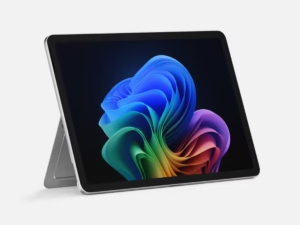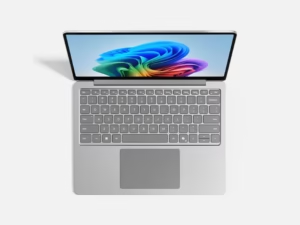
Select Page

AnyUnlock Review (2025): Unlock iPhone Passcode, Apple ID, MDM & Screen Time

AnyUnlock by iMobie Review: Features, Pricing, and Why You Should Buy It
 

Download for Free

Being locked out of your iPhone can quickly turn into a frustrating experience. Whether you forgot your screen passcode, purchased a second-hand iPhone still linked to the previous owner’s Apple ID, or are dealing with MDM or Screen Time restrictions, AnyUnlock by iMobie is designed to help you regain control of your device.

In this review, we’ll take a closer look at what AnyUnlock offers, its key features, pricing, and why it’s a valuable tool for iPhone and iPad users.
What Is AnyUnlock by iMobie?

AnyUnlock is a professional iOS unlocking software developed by iMobie Inc., a well-known company behind popular Apple utilities such as AnyTrans and AnyFix. The software provides an all-in-one solution for removing different types of locks from iPhones, iPads, and iPod touch devices.

What makes AnyUnlock appealing is its user-friendly design. You don’t need technical expertise — the software guides you through each step, making it suitable even for beginners.

Key Features of AnyUnlock

1. Unlock iPhone Screen Passcode

AnyUnlock allows you to remove various types of screen locks, including 4-digit and 6-digit passcodes, Touch ID, and Face ID. This feature is useful if you’ve forgotten your passcode or if your iPhone has been disabled after too many incorrect attempts.

Note: Removing the screen passcode will erase existing data on the device, which is standard for iOS security.

2. Remove Apple ID Without Password

If you no longer remember your Apple ID password or purchased a used device that’s still linked to another account, AnyUnlock can remove the Apple ID and allow you to sign in with a new one.

3. Bypass iCloud Activation Lock

Activation Lock is designed to protect lost or stolen devices, but it can also be a problem for legitimate owners. AnyUnlock supports bypassing iCloud Activation Lock on compatible devices, making it especially helpful for second-hand iPhone buyers.

4. Remove MDM Restrictions

Mobile Device Management (MDM) profiles can limit access on company-issued or school devices. AnyUnlock helps remove MDM restrictions, allowing full control of your device without configuration limitations.

5. Remove Screen Time Passcode

If you forgot your Screen Time passcode, AnyUnlock can remove it without deleting your data. This feature is especially useful for parents managing family devices or shared iPhones.

6. iTunes Backup Password Recovery

Encrypted iTunes backups can become inaccessible if the password is forgotten. AnyUnlock includes tools to recover or remove backup encryption passwords so you can access your data again.
Compatibility

  • Supports most iPhone, iPad, and iPod touch models
  • Works on both Windows and macOS
  • Compatible with a wide range of iOS versions

Pricing Overview

AnyUnlock is a paid software, but it offers flexible licensing options depending on your needs. Users can choose between individual feature licenses or the complete toolkit.

  • Short-term plans for one-time unlocking needs
  • Annual licenses for regular use
  • Lifetime licenses for long-term value

The full toolkit is the most cost-effective option if you need access to multiple unlocking features.

Why You Should Buy AnyUnlock

  • Saves time compared to visiting repair shops or service centers
  • No advanced technical knowledge required
  • Multiple iOS unlocking solutions in one software
  • Trusted brand with customer support and refund policy

Pros and Cons

Pros

  • Easy-to-use interface
  • Wide range of unlocking features
  • Supports both old and new Apple devices

Cons

  • Not a free tool
  • Some unlocking processes may erase data

Final Verdict

AnyUnlock by iMobie is a reliable and versatile iOS unlocking solution that covers nearly every common lock scenario. While it’s a paid tool, the convenience, ease of use, and wide feature set make it a worthwhile investment for users who need to regain access to their Apple devices.

If you’re locked out of your iPhone or iPad and need a safe, beginner-friendly solution, AnyUnlock is definitely worth considering.

👉 Check the latest pricing and available discounts on the official AnyUnlock website.
Why I Checked the Serial Number Before Setup?


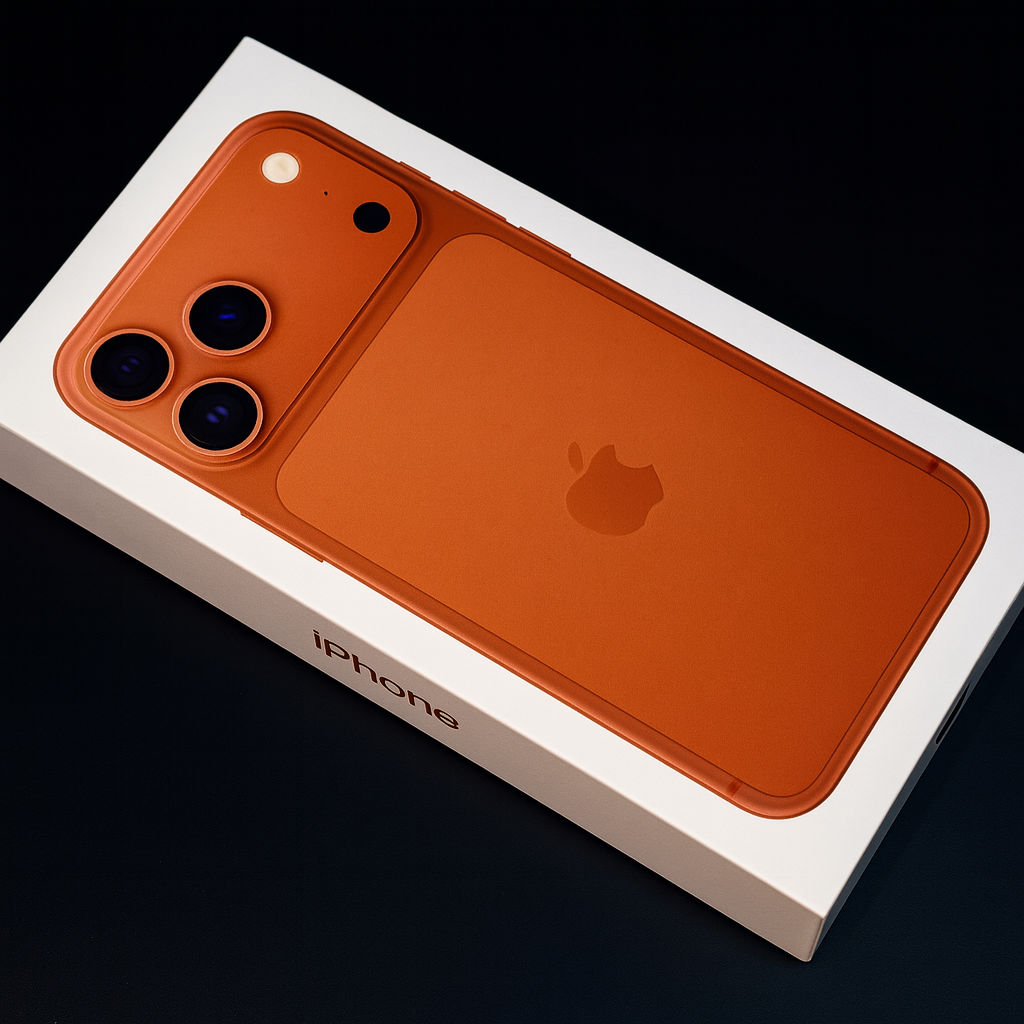
iPhone 17 Pro Max unboxing and serial number check


Hi Guys! I Just Got the New iPhone 17 Pro Max — Here’s Why You Should Always Verify the Serial Number First!

Hi guys! Today I’m super excited to share something special — I finally got my hands on the brand-new iPhone 17 Pro Max, Apple’s most powerful smartphone ever. Before doing any setup or transferring my data, I made sure to verify the serial number on Apple’s official website. This is one of the most important steps you should take whenever you buy a new iPhone, whether online, from a store, or from a reseller.

With so many imitations and refurbished units being sold as “brand new,” the safest choice is to confirm the authenticity straight from Apple. Let me walk you through exactly what I did — then we’ll look at the specs and how the iPhone 17 Pro Max compares to the iPhone 15 Pro Max and Samsung Galaxy S25.

Step 1: Check the Barcode at the Back of the Box

Before unboxing, flip the box over and look for the serial number (S/N) printed near the bottom. This number is unique to your device — like a fingerprint — and it’s your first line of defense against counterfeits.

Once you have your serial number, go to:

👉 https://checkcoverage.apple.com

Enter your serial number, fill in the CAPTCHA, and click Continue.

Step 2: What It Means When You See “Device Not Activated”

When I checked mine, the system showed:

🔒 Device Not Activated

This is exactly what you want to see if you bought a brand-new iPhone. It means:

  • The phone has never been set up
  • It was not previously linked to any Apple ID
  • It has not been replaced or repaired
  • The warranty countdown has not started

If the device shows something else (like expiring warranty dates or “activated”), it could mean the unit is used, replaced, or previously opened. So checking the serial number is absolutely worth doing before setup.

How to Activate the iPhone 17 Pro Max

  1. Insert your SIM card or connect to a strong Wi-Fi network
  2. Turn on your iPhone and follow the onscreen prompts
  3. Sign in with your Apple ID
  4. Once connected to the internet, your iPhone activates through Apple’s servers
  5. If activation fails: restart, try another Wi-Fi network, or connect to a Mac or PC (iTunes)

📱 iPhone 17 Pro Max – Basic Specifications

Display 6.9-inch ProMotion OLED (1–240 Hz adaptive refresh)
Chipset Apple A20 Pro Neural Fusion Architecture
Camera System 50 MP Main • 48 MP Ultra-Wide • 48 MP Periscope Telephoto (12× optical zoom) + AI Nightography
Battery Up to 32 hours video playback
Charging 40 W wired fast / 25 W MagSafe 2 wireless
Storage 256 GB / 512 GB / 1 TB / 2 TB
Build Titanium Series 3 frame
Colors Graphite Titanium, Stellar Silver, Deep Blue, Alpine Gold
Security Face ID Gen 4 + Secure Enclave X

📊 iPhone 17 Pro Max vs iPhone 15 Pro Max

🆙 Major Improvements

  • A20 Pro chip – 30 % more efficient, 40 % faster GPU
  • Better thermal cooling
  • 12× optical zoom vs 5× on 15 Pro Max
  • Brighter ProMotion display & stronger titanium frame
  • +4 hours battery life
  • MagSafe 2 with faster wireless charging

👍 Upgrade Worth It? Yes — especially for camera power, speed, and gaming efficiency.

📸 iPhone 17 Pro Max vs Samsung Galaxy S25

Where iPhone Wins

  • Long-term software support (8–9 years)
  • More efficient A20 Pro chip beats Snapdragon Ultra in benchmarks
  • Superior video quality & battery optimization
  • Titanium build vs aluminium frame

Where Samsung Wins

  • Faster charging speeds
  • More customizable Android UI
  • Higher display resolution
Overall: If you want stability, performance, and top-tier video, choose the iPhone 17 Pro Max. If you love customization and speed, the S25 remains a solid option — but Apple still leads in efficiency and longevity.

💬 Final Thoughts

Buying a new flagship phone is a big investment. That’s why verifying your iPhone’s serial number before setup is one of the smartest steps you can take. The iPhone 17 Pro Max is an incredible upgrade — powerful, elegant, future-ready, and loaded with AI-driven capabilities.

Enjoy your new device, guys — and always make sure it’s authentic before anything else! 📱✨


🔗 Verify Your iPhone Serial Number Here

Disclosure: This post may contain affiliate links. We may earn a small commission at no extra cost to you.


iPad Pro (M5) vs Surface Pro (SnapDragon)


November 2025 Update

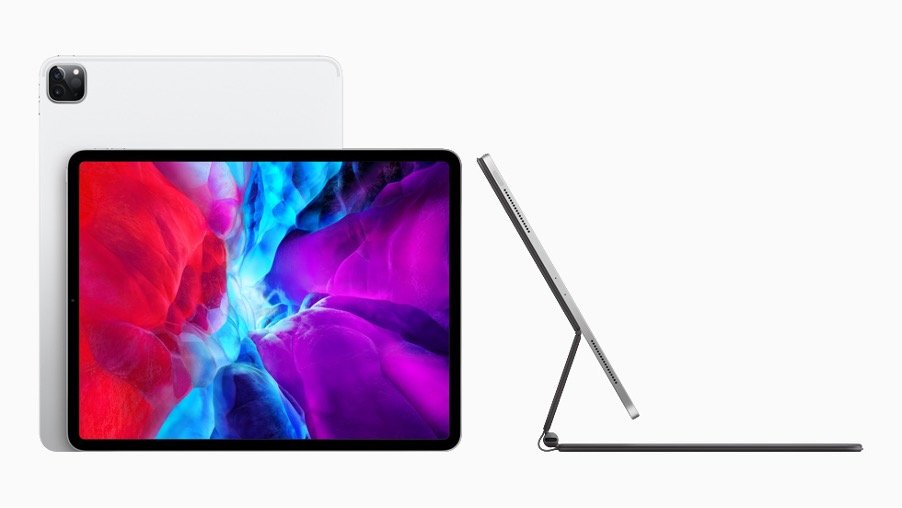
iPad Pro vs Surface Pro comparison chart

Credit: Apple.com

iPad Pro (M5) vs Surface Pro (Copilot+ PC): Battle of the Ultimate 2-in-1s in Singapore

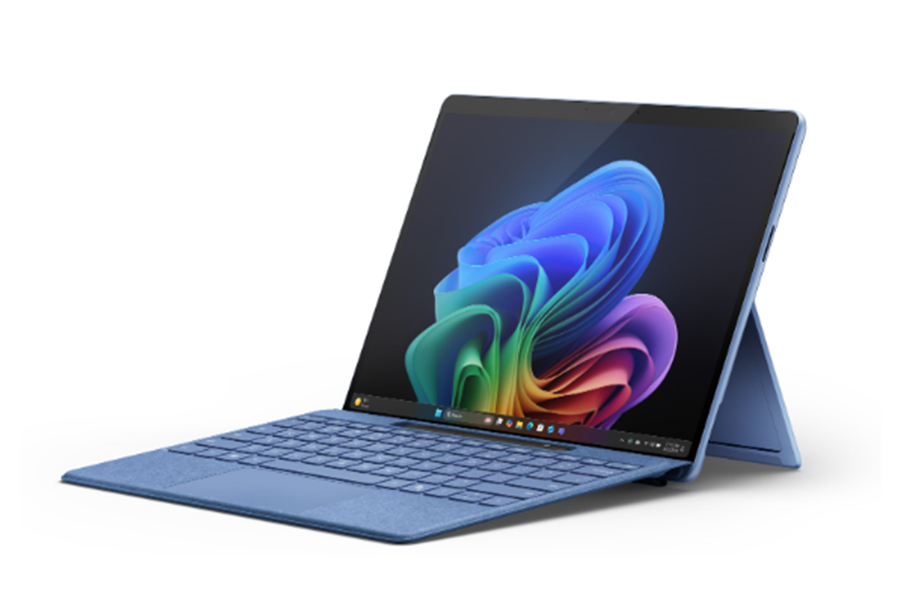
Surface Pro vs Ipad Pro comparison chart

Credit: Microsoft.com
By Oleohub Editorial • Updated Nov 2025 • 10–12 min read

Meta In November 2025, Apple and Microsoft bring their most advanced 2-in-1 devices to Singapore — the iPad Pro (M5) and the Surface Pro (Copilot+ PC). This guide compares their chipsets, displays, accessories, AI features, and — crucially — Singapore pricing & availability, so you can decide which one fits your workflow and budget.

Introduction: A Premium Showdown in November 2025

Singapore’s tech scene is buzzing again. Microsoft’s Copilot+ PC lineup arrived mid-year, bringing AI-first Windows hardware, and Apple followed with its iPad Pro powered by the M5 chip. Both promise “do-everything” power for creators, students, and on-the-go professionals — but they take very different paths to get there.

If you want deeper context on the Windows side, don’t miss our in-depth Surface Pro (Copilot+ PC) review — we’ll reference it where relevant in this head-to-head.

🧠 The Brains: Apple M5 vs Snapdragon X Plus

Apple M5 (iPad Pro) delivers a big leap in on-device AI and GPU performance over M4. Apple’s Neural Engine accelerates creative workloads — think complex brushes in Procreate, 4K timelines in Final Cut, or multi-layer edits in Affinity Photo — without breaking a sweat.

Snapdragon X Plus (Surface Pro) brings an efficient 8-core CPU with a dedicated NPU rated for high TOPS. In real workflows, that unlocks Windows 11 Copilot+ features like live captions/translations, Recall-style search, and AI-assisted content creation baked into the OS.

Takeaway: If your life is creative apps on iPadOS, M5 is tailor-made. If you rely on full Windows software (coding, BI, enterprise apps), Snapdragon X Plus + Copilot+ is the better fit.

💻 Display & Design: Ultra Retina XDR vs PixelSense Flow

iPad Pro (M5) retains the stunning Ultra Retina XDR tandem-OLED display (high HDR brightness, deep contrast, ProMotion). For colour-critical work — grading, illustration, photography — it’s simply gorgeous.

Surface Pro offers a sharp PixelSense Flow display at 12 inches (with a 13-inch OLED option in some configurations). It’s bright and crisp, excellent for documents, browsing, and productivity in the classic 3:2 aspect ratio.

Takeaway: Creators will love iPad’s OLED. Professionals who read and type all day will appreciate Surface’s comfortable 3:2 panel — and the optional OLED bumps its punchiness too.

⚙️ Performance & Multitasking

iPad Pro (M5) is ridiculously responsive under heavy creative loads while staying cool and efficient. Stage Manager has matured, making external display workflows far smoother than early iPadOS iterations.

Surface Pro (Copilot+ PC) runs full Windows 11. That means Visual Studio, Power BI, SQL tools, the full Office suite, and countless specialized apps that don’t exist on iPadOS. It’s a “real laptop” that can go tablet-mode when you want to draw or take notes.

Takeaway: Need desktop-class software? Surface. Live in the Apple creative stack and value battery life? iPad Pro.

🧩 Accessories & Input Experience

iPad Pro pairs with Magic Keyboard (floating design, excellent trackpad) and Apple Pencil Pro (haptic feedback, rotation sensing). It feels premium — and very Mac-adjacent — while still being tablet-first.

Surface Pro works with the Surface Pro Keyboard and Slim Pen 2. The typing feel is superb for long sessions, and the Slim Pen’s haptics convincingly mimic paper friction. Many Singapore retailers bundle the keyboard/pen during promos.

Accessory math: Both ecosystems usually sell keyboards and pens separately. Always factor the total cost of ownership, not just device price.

🔌 Connectivity & Ports

iPad Pro (M5) supports Wi-Fi 6E, optional 5G on cellular models, and a single USB-C/Thunderbolt port. It’s fast — but you’ll likely want a hub for multi-peripheral setups.

Surface Pro offers dual USB-C ports, Wi-Fi 7 in some configs, optional 5G models, and the flexibility of Windows file management. Plugging into docks, SSDs, and monitors feels more “PC-native.”

Takeaway: Power users juggling drives, docks, and displays will prefer Surface’s port situation.

💸 Singapore Prices & Availability (as of Nov 2025)

Model Base Configuration Starting Price (SGD) Availability
Apple iPad Pro (M5) — 11" Wi-Fi M5 / 256 GB S$1,499 (est.) Available from 22 Oct 2025
Apple iPad Pro (M5) — 13" Wi-Fi M5 / 256 GB S$1,999 (est.) Available from 22 Oct 2025
Microsoft Surface Pro — 12" (Copilot+ PC) Snapdragon X Plus / 16 GB / 256 GB S$1,199 Retail since 1 Jul 2025
Microsoft Surface Pro — 12" (512 GB) Snapdragon X Plus / 16 GB / 512 GB S$1,349 Retail since 1 Jul 2025

Tip: Watch 11.11 and 12.12 promos in Singapore. Apple Authorised Resellers (iStudio, Harvey Norman) sometimes bundle Pencil/Keyboard credits; Microsoft Store/Challenger often discount the Surface Keyboard + Slim Pen or offer trade-in bonuses. Students and educators should check education pricing for both brands.

🧾 Quick Comparison Table

Feature iPad Pro (M5) Surface Pro (Copilot+ PC)
OS iPadOS Windows 11 Copilot+
Chip Apple M5 (9/10-core) Snapdragon X Plus (8-core)
Display Ultra Retina XDR OLED, 120 Hz PixelSense Flow LCD/OLED, up to 90 Hz
AI/NPU Apple Neural Engine High-TOPS NPU for Copilot+ features
Ports 1 × USB-C (Thunderbolt) 2 × USB-C (+ Surface Connect)
Battery ~10 hours (mixed) ~7–8 hours (mixed, config-dependent)
Stylus Apple Pencil Pro Surface Slim Pen 2
Keyboard Magic Keyboard (floating) Surface Pro Keyboard
Starting Price (SG) S$1,499 (11") S$1,199 (12")
Best For Creators, designers, mobile video/photo Developers, analysts, enterprise apps

⚖️ Oleohub’s Verdict: Which One Should You Buy?

Both devices are exceptional — but their identities remain clear. The iPad Pro (M5) is a creative powerhouse disguised as a tablet, while the Surface Pro (Copilot+ PC) is a true Windows laptop that happens to be a tablet when you want it.

  • Choose iPad Pro (M5) if you’re a designer/artist or you live in Apple’s ecosystem and want the best portable canvas with top-tier OLED.
  • Choose Surface Pro if you need Windows software (coding, BI, enterprise tools), flexible ports, and a 2-in-1 that can replace your laptop.

Next up: Read our deep-dive Surface Pro (Copilot+ PC) review for benchmarks, battery tests, and real-world performance — then compare deals from Singapore retailers during 11.11 and 12.12.

Disclosure: This post may contain affiliate links. If you purchase through these links, we may earn a commission at no extra cost to you.


Acronis True Image 2026 Review – Backup Made Simple and Secure

Intro

Imagine you have a super-powerful copy machine for your computer—one that can take a snapshot of everything inside (your photos, homework, apps, settings) and then bring it back just like it was. That’s exactly what backup software does. But in today’s world, there are nasty things like viruses and ransomware that try to break into your computer and mess things up. So what if your backup tool could also watch out for those bad guys and help keep your computer safe?

That’s where Acronis True Image 2026 comes in. It’s like a two-in-one hero: both your “computer copy machine” and your “computer bodyguard.” In this review, we’ll walk through what it can do, what computers it works on, how you use it, and what’s good or not-so-good about it. I’ll try to keep it simple but also cover the important stuff.

Acronis True Image Sale

What Is Acronis True Image 2026?

Acronis True Image 2026 is software made to protect your computer data. “Protect” has two parts here:

Backup & recovery — making copies of your files and your whole system, so you can restore them if something bad happens (like you delete something by mistake, or your hard drive breaks).

Security & threat protection — watching out for malware, ransomware, and vulnerabilities so that bad software can’t damage your files or your backups.

In 2026, Acronis has added a new feature: patch management. That means the software can help update other programs on your computer so they don’t have security holes that hackers can use. 

So, it’s not just about copying files, but also keeping them safe.


Specifications & Compatibility (What Computers It Works On)

Here are the technical details of what Acronis True Image 2026 supports. Think of this as the “rulebook” of what it can do and what it can’t.


Operating Systems (Which computers it can run on)

  • Windows: It works on modern Windows versions. 

  • macOS: It also supports Apple computers with macOS. 

  • Mobile devices: Android and iOS devices can be backed up (for things like photos, contacts) using companion mobile apps.

    So your laptop, your Mac, your phone — it can help with all of them.

What kinds of storage and file systems it supports

To backup or restore, your files sit on storage (disks, drives, etc.). Here’s what Acronis supports:

  • Internal drives (where your computer is installed)

  • External drives (USB, Thunderbolt, etc.)

  • Network storage / NAS (other storage connected over your local network)

  • Cloud storage (Acronis Cloud) for offsite backups

It supports many file systems — that means how your data is organized on the drives:

  • For Windows: NTFS, FAT variants 

  • For macOS: APFS, HFS+ 

  • Also supports Linux file systems such as ext2, ext3, ext4, ReiserFS, Linux swap. 

  • For unsupported file systems, Acronis offers a “raw / sector-by-sector” mode, which copies every bit on the disk (even empty or unused parts). That is slower and less flexible. 

Also, backup files can be encrypted (locked so others can’t open them without a password) using AES encryption (strong encryption) to protect privacy. 

How You Use It (Step by Step)

Let’s walk through how someone would use Acronis True Image 2026 from start to finish. Think of this like instructions for a 5th grader (but with real detail).


Install and Setup

  • You download the software from Acronis’s website or get it via a subscription license.

  • After installing, you create or log into an Acronis account (needed especially if you use cloud features).

  • You choose what you want to back up (your whole computer, selected folders, or specific files).

  • You choose where to store backups (external drive, network drive, or Acronis Cloud).

  • Set schedule (when backups happen — daily, weekly, or continuous).

  • Turn on extra defenses: real-time protection, malware scans, and patch management.

Backup Modes & Strategies

Acronis gives several ways to back things up:

  • Full backup: copies everything you selected (big but complete).

  • Incremental backup: after a full backup, it only saves what changed since the last backup (saves space).

  • Differential backup: saves changes since the last full backup.

You can also do disk cloning — if you want to move your system from an old hard drive to a new one (like upgrading to SSD). Acronis will copy all data, system files, and software so you can use the new drive as if nothing changed. 

You can also sync files — which means keep two places (say, your computer and cloud) matching. But syncing is different from backup: sync means changes are mirrored, while backup keeps history. 

Running Backups

Once setup is done, backups can run automatically according to your schedule. You can also run a backup manually. The software works in the background. It may slow your computer a little while it’s copying large files, but usually it tries to work smoothly.

You should let it finish, or pause it if you need full speed for something else.

Restoring / Recovery

This is the “oh no something broke — now fix it” part.

  • You can restore individual files or entire folders via Acronis interface.

  • If your computer won’t start (because system files are broken), you can use rescue media / bootable USB (a special USB stick made earlier) to boot the computer and restore from backup.

  • It supports universal restore — meaning you can restore your system onto different hardware (if you get a new computer). Acronis will try to adjust drivers so the system works.

It’s very important to test your restore before you really need it — make sure your rescue USB works, and that backup files are valid.


Security & Patch Management (Added 2026)

This is what makes 2026 extra special.

  • Real-time monitoring / Active Protection: the program watches as you work, looking for signs of ransomware or malware. If something seems malicious, it can block changes or undo damage. 

  • On-demand antivirus scans: you can manually run scans of your computer to check for malware.

  • Vulnerability / patch scanner: it looks at your installed programs, finds security holes, and can automatically apply patches or notify you to update. 

  • Protecting backups: it defends backup files themselves from being deleted or corrupted by malware. 

Strengths (What’s Good) & Weaknesses (What’s Not So Good)

Let’s look at what Acronis True Image 2026 is good at and where it might struggle.

✅ Strengths

All-in-one solution

You get backup + security + patching together, so you don’t need many separate tools.

Flexible storage options

You can backup locally, to network drives, or to the cloud.

Good file system and device support

Works with Windows, Mac, Linux file systems, many types of storage devices.

Strong protection features

Real-time defense, malware scans, patching — helps reduce risk.

Cloning and universal restore

Helps when migrating to new hardware or recovering after serious problems.

Cloud + local hybrid plan

You can have fast local backups and offsite (cloud) backups for safety.

⚠️ Weaknesses / Trade-offs

Resource use

Running backup + protection features simultaneously can use CPU, memory, and slow your system, especially on older machines.

Complexity

Because there are many features, it may take time to learn all settings and choose wisely.

Rescue media issues

Some users report that bootable USB or recovery disks sometimes fail or have compatibility problems.

Subscription / cost

It likely follows the subscription model (you pay yearly) and cloud features may cost more. 

Backup format / version compatibility

Backup files from one version might not always work perfectly with other versions of Acronis software.

Potential software conflicts

Because it runs deep protection features, it may conflict with other antivirus or security software installed.

Use Cases: Who Should Use It & When

Here are some examples of when Acronis True Image 2026 is especially useful, and how to use it well.

Use Case

Advice / What To Do

You have just one PC or Mac and many files/photos

Use a “hybrid backup” — local drive + cloud backup, so you can restore fast but also keep offsite copy.

You plan to upgrade to a new hard drive or SSD

Use the disk cloning feature to copy everything, then verify backups.

You are protecting a family computer

Turn on real-time protection and patching so you reduce risk from harmful software or forgotten updates.

You want to keep old versions of your files

Use incremental/differential backups and set retention rules (keep backups for a time).

Your system gets hit by malware

Use the protection features and restore backups from a moment before infection.

Tips:

  • Always test your rescue media (USB) and do a trial restore before you truly need it.

  • Use encryption and strong passwords for your backups so only you can access them.

  • Don’t rely exclusively on cloud — keep local backups as a fast fallback.

  • Monitor logs and alerts regularly so you know backups are working fine.

Summary & Final Thoughts

Acronis True Image 2026 brings together a powerful mix of backup tools and security features, making it more than just a copy machine for your computer — it can act like a guard too. With support for many operating systems, various storage types, file systems, and now patch management, it gives you a strong suite of protection in one place.

It’s excellent for people who want all their digital safety under one roof, especially if you have important files, photos, schoolwork, or work data. But it does come with trade-offs: more features means more complexity, more resource use, and higher cost (especially if you use cloud storage).

If you use it well — test recovery, keep both local and cloud backups, update often, and avoid conflicts with other security tools — Acronis True Image 2026 can keep your computer safe and save you from a lot of headaches.

If you like, I can also rewrite this in a more casual style or make a shorter version for your blog. Do you want me to do that next?

Microsoft Surface Pro Review: 12-inch vs 13-inch – Which One Should You Buy?


Technology keeps moving fast, and laptops today are not just laptops anymore. They can turn into tablets, they can run apps like a phone, and they can help you draw, write, o

r even design things like an artist. One of the best devices that shows this is the Microsoft Surface Pro.

The Surface Pro is a “2-in-1” computer. That means it can be used as a laptop (with a keyboard) and as a tablet (without the keyboard). People love it because it’s light, powerful, and easy to carry anywhere.

But here’s the big question: should you get the 12-inchashampoo software Surface Pro or the 13-inch Surface Pro?

Let’s take a closer look at both, compare them, and find out which one is the best for you.

(Image Credit: Microsoft)

Meet the Microsoft Surface Pro (12-inch)

The 12-inch Surface Pro is like a smart notebook. It has a touchscreen, works with the Surface Pen (a digital pen for drawing or writing), and is small enough to fit in a backpack.

Best Features of the 12-inch Surface Pro:

  • Compact Size: At 12 inches, it’s easy to carry around. It feels like holding a thin notebook.

  • Touchscreen Display: Bright and sharp screen, perfect for watching videos, Zoom calls, or reading.

  • Lightweight: Around 1.7 pounds without the keyboard, which is lighter than most laptops.

(Image Credit: Microsoft)


  • Battery Life: Lasts around 12-13 hours, so you can use it all day at school or work.

  • Performance: Runs on Intel processors (like i5 or i7), so it can handle school projects, Office apps, and even some light gaming.

  • Windows 11: Comes with the newest version of Windows, which is smooth and easy to use.

The 12-inch version is best for students, travelers, or anyone who needs something portable.


Meet the Microsoft Surface Pro (13-inch)

The 13-inch Surface Pro is a bit bigger. You might think 1 inch doesn’t matter much, but it really does. That extra space makes the screen look larger, typing easier, andmultitasking more fun.

(Image Credit: Microsoft)

Best Features of the 13-inch Surface Pro:

  • Bigger Screen: At 13 inches, you get more room for apps, games, or split-screen work.

  • Sharper Display: The screen has higher resolution, which makes videos and pictures look amazing.

  • Better for Multitasking: If you like opening many apps at once, the bigger screen makes it easier.

  • Performance: Similar to the 12-inch, but the cooling and battery are slightly better in newer models.

  • Battery Life: Lasts about 13-15 hours, depending on what you do.

  • Stylus-Friendly: Artists and designers love the bigger canvas for sketching or digital art.

The 13-inch version is perfect for professionals, artists, or anyone who wants a laptop-tablet combo that feels closer to a real laptop.


Side-by-Side Comparison: 12-inch vs 13-inch

Here’s a simple chart to help you see the differences:

Feature

Surface Pro 12-inch

Surface Pro 13-inch

Screen Size

12.3 inches

13 inches

Weight

1.7 lbs

1.9 lbs

Battery Life

12–13 hours

13–15 hours

Resolution

2736 x 1824

2880 x 1920

Performance

Intel i5/i7 chips

Intel i5/i7 chips

Portability

Easier to carry

Slightly bigger but still slim

Best For

Students, travelers

Professionals, artists


Pricing: How Much Do They Cost?

Microsoft changes prices depending on the model, memory, and storage. But here’s a rough guide:

  • Surface Pro 12-inch: Starts around $999 and can go up to $1,500+ depending on upgrades (like faster processors or more storage).

  • Surface Pro 13-inch: Starts around $1,099 and can go up to $1,700+ for higher-end models.

Remember: the keyboard and pen usually cost extra. The keyboard is about $150, and the pen is around $100.


What Makes the Surface Pro Special?

  • 2-in-1 Magic: Switch from laptop to tablet in seconds.

  • Touchscreen Fun: Draw, tap, swipe, and write naturally.

  • Super Portable: Lighter than most laptops, so easy to bring to school or the office.

  • Great for Students and Professionals: Perfect for note-taking, video calls, and working on projects.

  • Strong Battery Life: Use it all day without needing to plug in.

  • Windows 11: Full laptop power in a tablet body. You can install real apps, not just mobile ones.


Why Should You Buy It?

Here’s why people love Surface Pro:

  • Students: Great for taking notes, drawing diagrams, attending online classes, and watching lessons.

  • Artists: The Surface Pen and big screen (especially the 13-inch) make it amazing for digital drawing or painting.

  • Business Professionals: Super light for traveling, strong enough for presentations, and perfect for typing emails on the go.

  • Everyday Users: Watch Netflix, play light games, browse the web, and connect with friends.

If you’re choosing between the two:

  • Get the 12-inch if you want something small, light, and easier to carry every day.

  • Get the 13-inch if you like a bigger screen for work, art, or entertainment.


Which One Wins?

Honestly, both are great. The 12-inch wins for portability. The 13-inch wins for experience and comfort.

Think of it this way:

  • The 12-inch is like carrying a small notebook.

  • The 13-inch is like carrying a magazine — still light, but more space to enjoy.


Final Thoughts

The Microsoft Surface Pro is not just a gadget — it’s like having a laptop, a tablet, and a sketchbook in one. Whether you go for the 12-inch or the 13-inch, you’re getting a powerful device that can help with school, work, or fun.

  • Choose the 12-inch if you’re always on the move.

  • Choose the 13-inch if you want more space to create, work, or watch movies.

Either way, you’ll love how light, fast, and useful it is.

If you’re looking for a computer that’s easy to carry, fun to use, and strong enough for work or play, the Microsoft Surface Pro is worth buying.


Conclusion

The Microsoft Surface Pro is like having a laptop, tablet, and digital notebook all in one. Whether you pick the 12-inch or the 13-inch, you’ll get a device that’s stylish, powerful, and perfect for school, work, or play.

If you want portability, choose the 12-inch.
If you want more comfort and space, choose the 13-inch.

No matter what, the Surface Pro is a smart buy in 2025.


👋 Final Words

The Microsoft Surface Pro 12-inch and 13-inch both bring power, style, and flexibility into one device. Whether you’re a student, professional, or artist, there’s a Surface Pro that fits your lifestyle.

But wait—our journey doesn’t end here! 🎉

👉 Stay tuned for our next big review: iPad Pro vs. Microsoft Surface Pro. We’ll dive deep into Apple’s iPad powerhouse and see how it stacks up against Microsoft’s Surface Pro. Which one will win in performance, design, and value? You won’t want to miss it!